It is rare for a home inspection to end with no defects at all, even in renovated flats or new builds. What matters is not how many defects appear, but what type they are. A list of twenty minor details can be less worrying than one serious problem in the roof or the structure.
Why classify by seriousness
Classifying defects helps to separate what is urgent from what is cosmetic. This way you can decide with good judgement whether to go ahead with the purchase, negotiate the price or look for another home.
Minor defects
They affect appearance or comfort, but not safety or stability. They are usually solved with maintenance or small repairs.
- Surface hairline cracks in paint or plaster.
- Worn seals around baths, shower trays or windows.
- Blinds, handles or fittings that do not work well.
- Normal wear of floors and finishes.
Moderate defects
They do not put the home at immediate risk, but they need work in the short or medium term and can mean a significant cost.
- Old electrical or plumbing installations that should be renewed.
- Windows and doors with poor insulation or thermal bridges.
- Localised damp caused by condensation.
- Downpipes, gutters or drains in poor condition.
Serious defects
They put the safety, habitability or durability of the building at risk. They usually need major works and, sometimes, action by the owners’ association of the building.
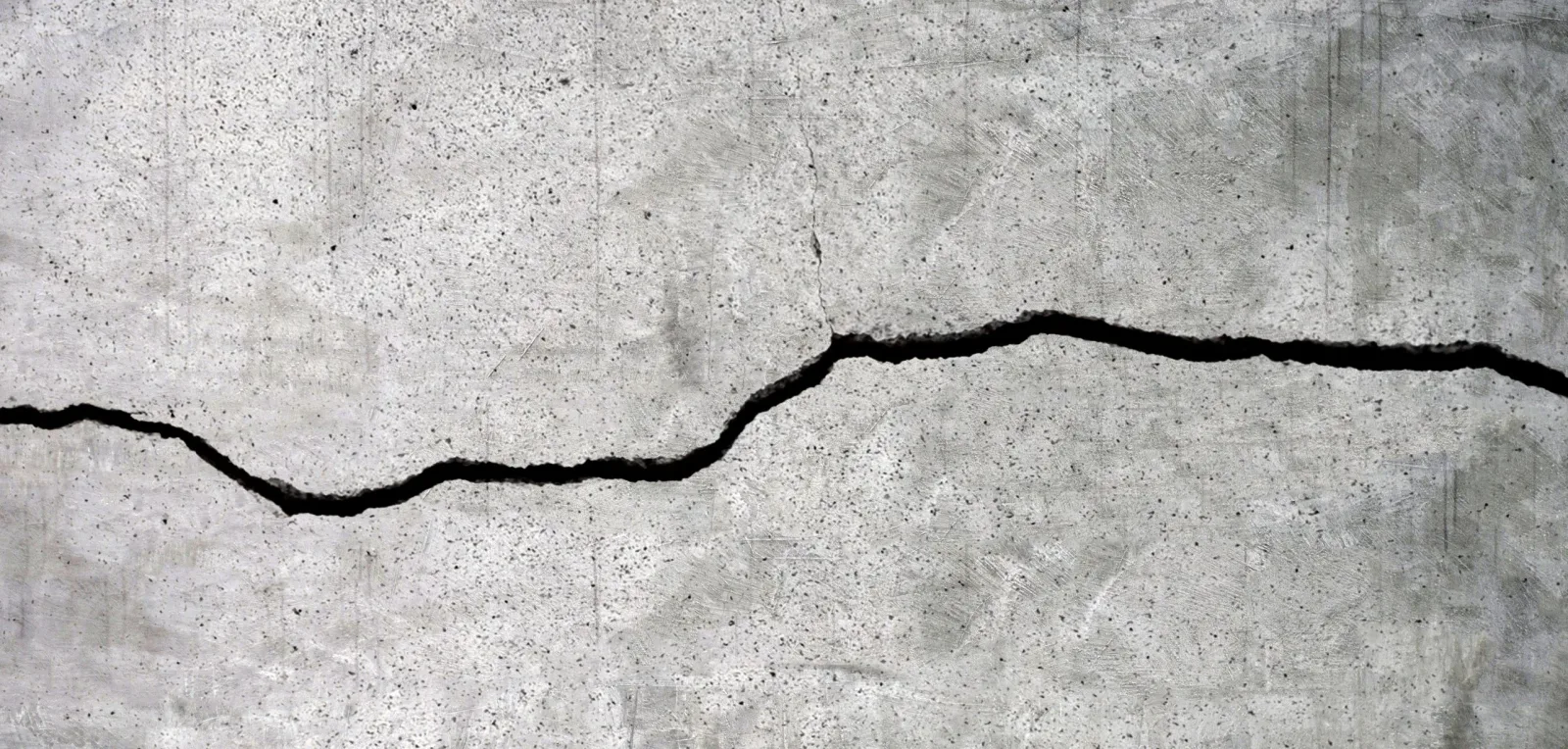
- Structural cracks, deformation or settlement of the building.
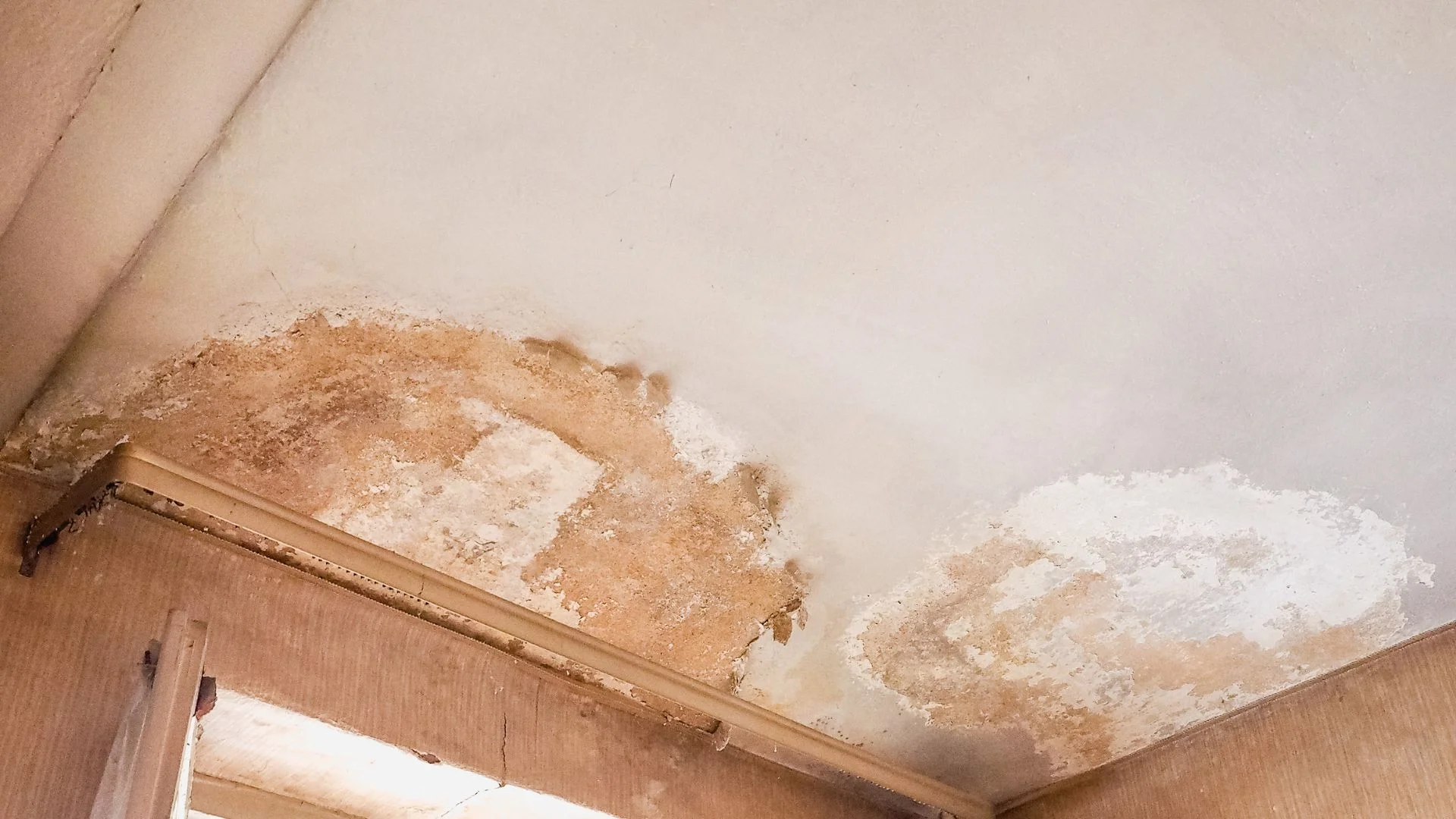
- Active leaks from the roof, façade or terraces.
- Widespread rising damp in walls.
- Installations that are a safety risk, such as electrical panels without protection devices.
What to do in each case
| Seriousness | Example | What it usually means for the purchase |
|---|---|---|
| Minor | Seals or small hairline cracks | Accept it as normal maintenance |
| Moderate | Old electrical installation | Get a quote and use it to negotiate the price |
| Serious | Roof leak or structural crack | Ask for repairs first, a large price reduction, or reconsider the purchase |
The same defect can move to another level as it develops: localised damp that is not treated can end up damaging the structure or the installations.
Conclusion
Knowing how to read defects by seriousness lets you make decisions calmly and with facts. In the Revicasa inspection report, each finding is documented room by room, with photos and an approximate repair cost.

Written by
Revicasa
Revicasa architects team
Architects who inspect homes every week and explain what you should know before buying, selling or renovating.