What are structural problems in a property?
Structural problems affect a building’s stability and strength. They can stem from ground settlement, construction defects, faulty materials or a lack of maintenance. Left undetected, they can lead to costly repairs and, in serious cases, put the safety of the property at risk.
6 signs that a property may have structural problems
1. Cracks in walls and ceilings
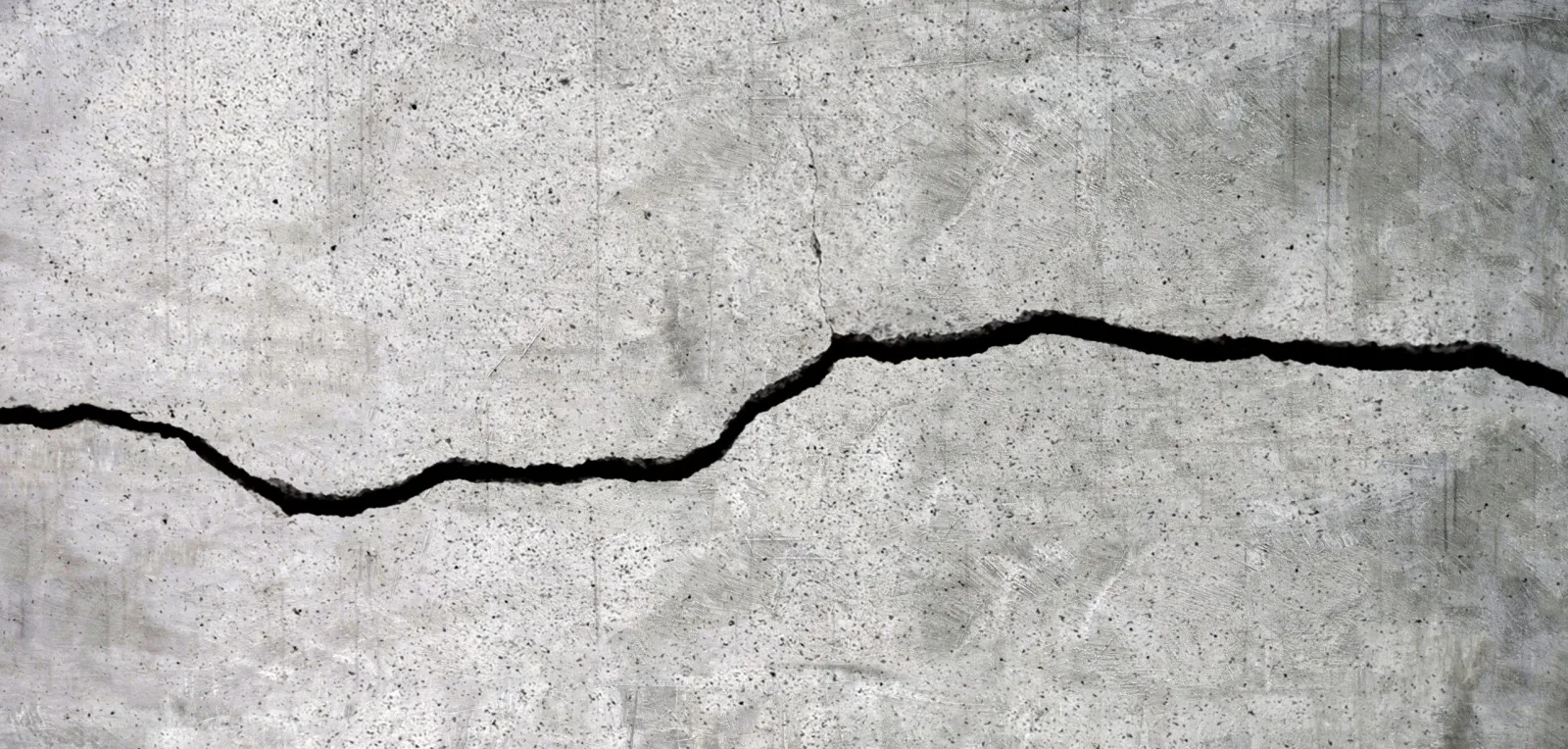
Not every crack is cause for concern, but wide, long or diagonal ones can point to movement in the structure. Cracks in load-bearing walls or at the corners of doors and windows are red flags.
2. Uneven or sinking floors
If you notice slopes or hollow spots underfoot as you walk, there may be problems with the foundations. An unstable floor can be a symptom of subsidence or uneven settlement.
3. Misaligned doors and windows
If they no longer fit properly or are hard to open and close, it can indicate structural movement. This is often accompanied by cracks around the frames.
4. Persistent damp and water ingress
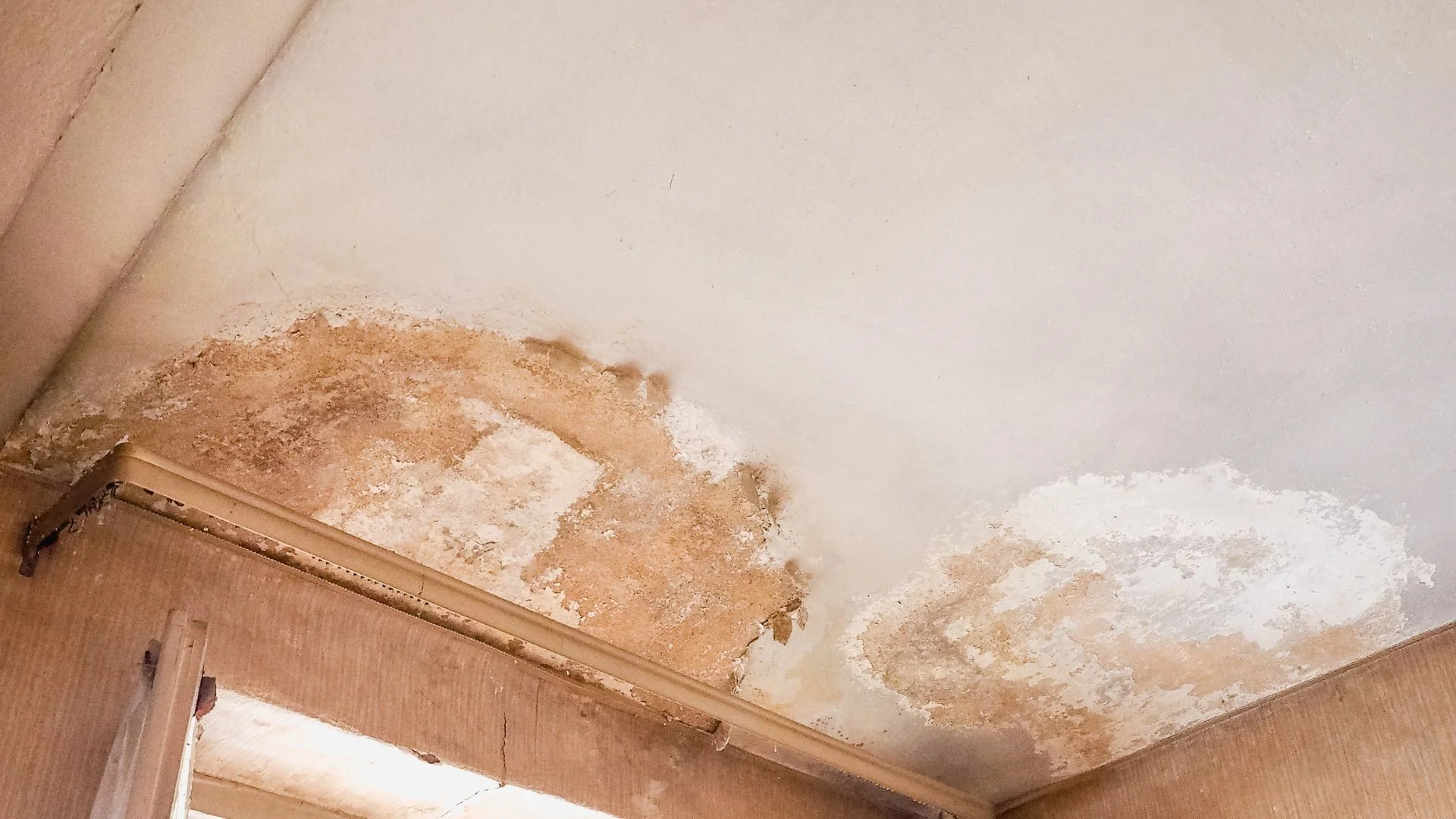
Damp in walls can weaken the structure over time. Dark patches, flaking paint or mould are signs of water ingress or rising damp.
5. Deformed beams and columns
If the beams show abnormal bowing or the columns have deep cracks, the building may be carrying more load than intended or have construction defects.
6. Roof failures
A deteriorated roof can let water in. If you spot broken tiles, leaks or damp on the ceiling, a detailed inspection is needed.
How can you make sure a property has no structural problems?
- Walk through the property calmly and look out for the signs mentioned above.
- Consult a specialist company such as Revicasa.
- Get a detailed inspection report before making your decision.
Conclusion
Structural problems can turn buying a home into a nightmare. A professional inspection gives you the peace of mind of knowing your investment is sound.