Before buying a home, it’s worth knowing exactly what condition it’s in. The Home Inspection Certificate (CIV) is the tool that captures that information in a technical, objective way: a document drawn up by an architect after a thorough review of the property. In this article we explain what it is, what it includes and how it differs from other documents such as the appraisal, the building inspection (ITE) or the energy performance certificate.
What is the Home Inspection Certificate (CIV)?
The CIV is a technical report that reflects the real condition of a home at the time of the inspection. It’s drafted by a qualified architect after reviewing the property’s structure, building systems and finishes, and it documents both the defects found and an assessment of the home’s overall condition.
Unlike other documents, the CIV is not a mandatory official procedure: it’s a voluntary assessment designed to help the buyer (or the owner) make decisions based on reliable information and avoid any surprises after the purchase.
What does a CIV include?
A complete inspection certificate goes well beyond a general impression. At Revicasa, the report documents the condition of the home point by point:
- Structural condition: cracks, fissures, deformations or signs of structural problems.
- Building systems: a review of the electrical, plumbing and drainage systems and, where applicable, gas and HVAC.
- Damp and water ingress: detection of rising damp, condensation or leaks in roofs and façades.
- Window and door frames and insulation: the condition of windows and doors and any thermal bridges.
- Room-by-room assessment: each area of the home is evaluated individually.
- Estimated repair cost: a guide to the amount the necessary repairs would involve.
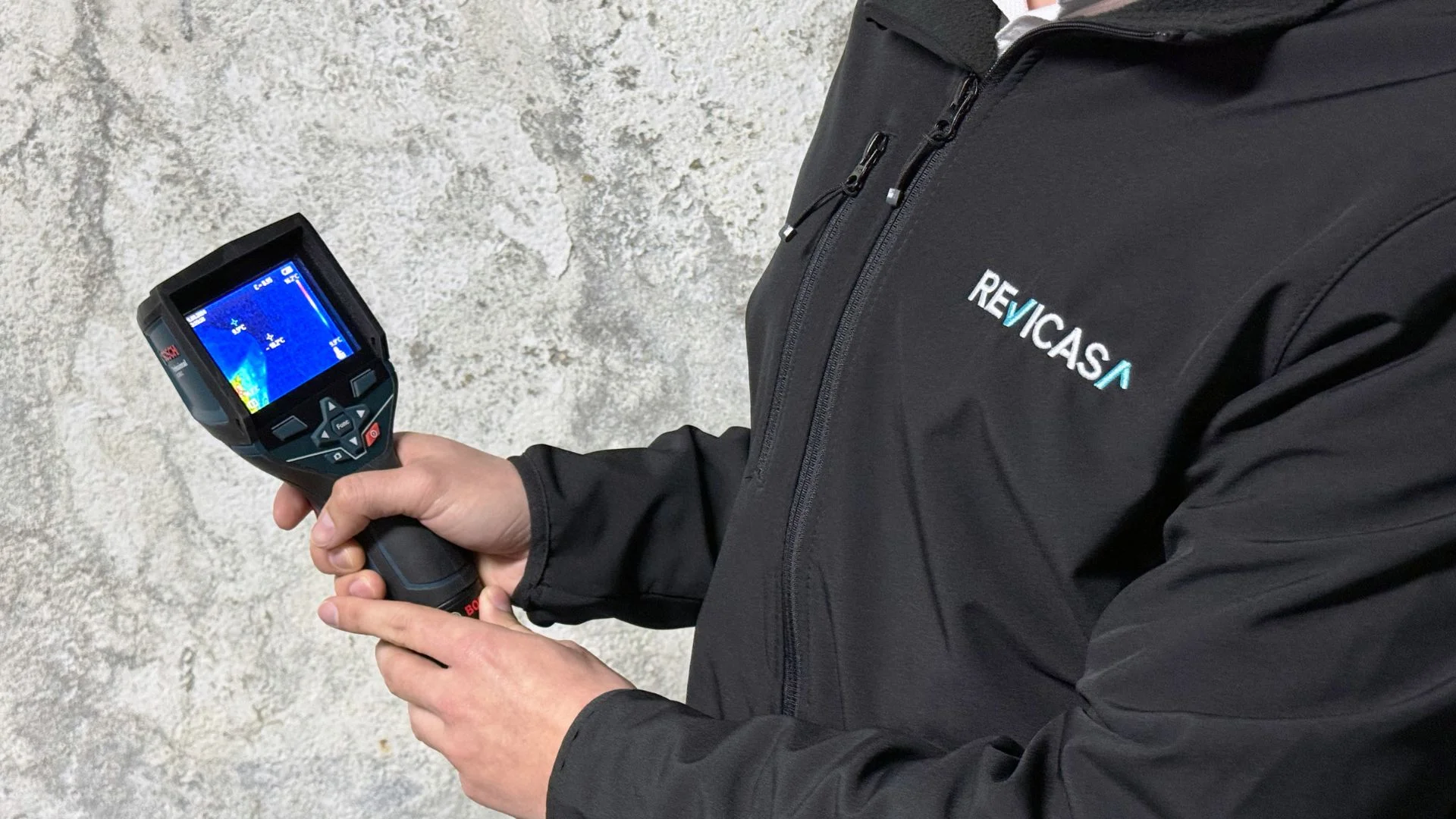
- Photographs and technical tests: visual documentation that backs up every conclusion in the report.
What is it for?
Having a CIV before signing brings very tangible advantages:
- Buy with confidence: you know exactly what you’re acquiring, with no hidden defects.
- Negotiate the price: if defects are found, you can adjust your offer or ask for them to be repaired before the purchase.
- Plan repairs: you know in advance what work will be needed and how much it could cost.
- Have an objective document: a technical, impartial report that’s also useful when dealing with the seller or the lender.
CIV, appraisal, ITE and energy certificate: they’re not the same
It’s common to confuse the inspection certificate with other property-related documents. Each one serves a different purpose:
| Document | What it assesses | Mandatory? |
|---|---|---|
| Home Inspection Certificate (CIV) | The real technical condition of the specific home | No, it’s voluntary |
| Appraisal | The market value of the property | Yes, to apply for a mortgage |
| ITE (Building Technical Inspection) | The safety of the whole building, not the individual home | Yes, for buildings above a certain age |
| Energy performance certificate | Energy consumption and efficiency | Yes, to sell or rent |
The CIV doesn’t replace the mandatory documents; it complements them: it’s the only one that tells you the real condition of the home you’re about to buy.
How do you get an inspection certificate?
The process with Revicasa is simple: you schedule the inspection, one of our architects visits the property and reviews it thoroughly following a standardised protocol, and you receive the complete report —the CIV— within 48 hours, with all the photographs, tests and the assessment of the home’s condition.
Conclusion
The Home Inspection Certificate is the best way to buy with peace of mind: it turns uncertainty into technical, objective information. If you’re thinking of buying a home, requesting a CIV before signing could save you thousands of euros in unexpected repairs.