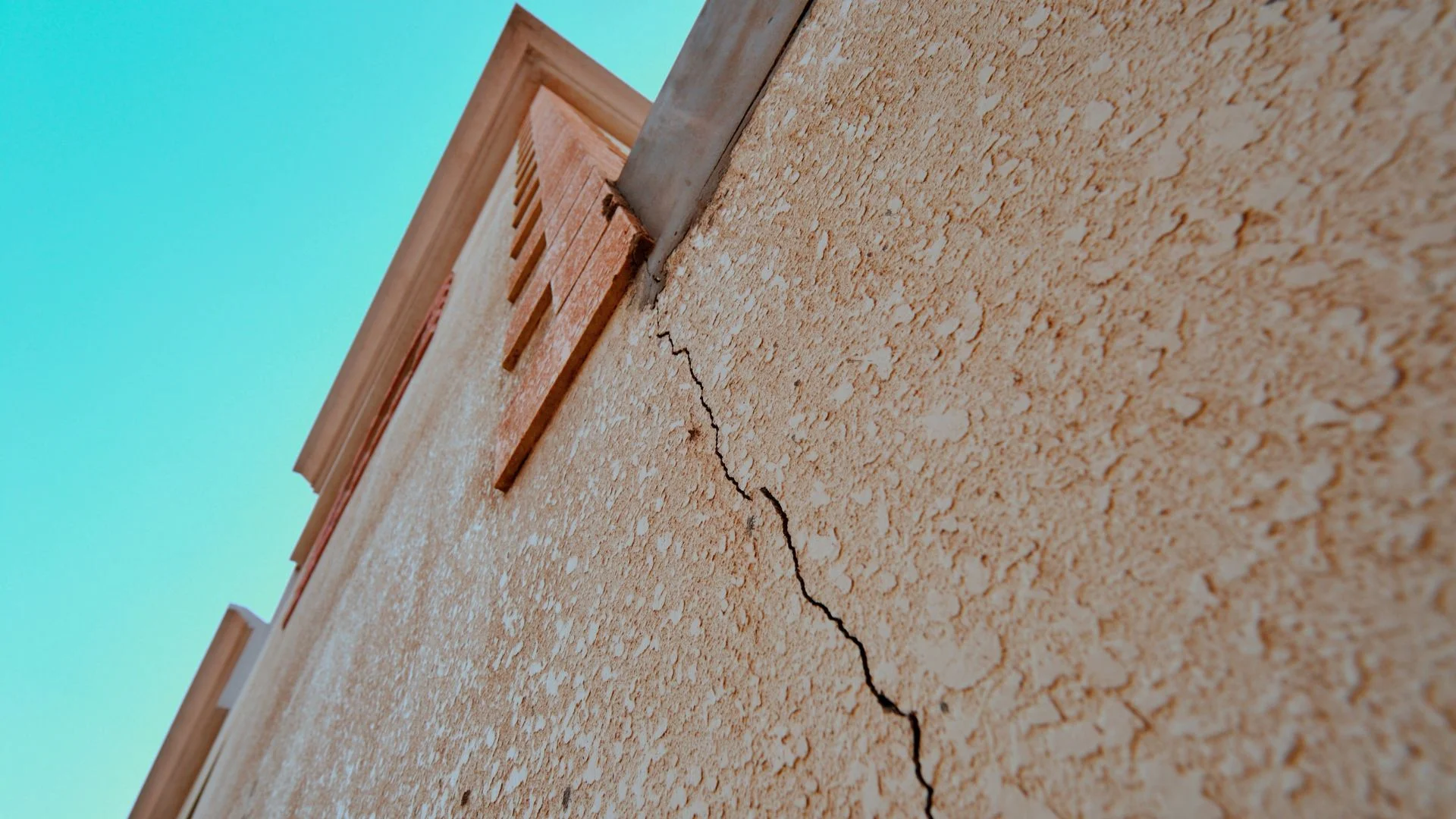
Buying or selling a home in Spain involves visiting the notary to formalise the contract and transfer ownership. However, beyond gathering the legal documents, having a prior inspection ensures a purchase free of unexpected problems.
Documents you need at the notary
Before going to the notary, you must provide the following documents:
- Nota simple from the Land Registry: an essential document that certifies the legal status of the property, indicating whether it has any charges or restrictions.
- Title deed of the seller: proves ownership of the property.
- Energy performance certificate: mandatory for the sale of any property.
- Zero-debt certificate from the community of owners: confirms there are no outstanding payments to the homeowners association.
- Latest IBI receipt: proves that the property tax is up to date.
- Utility certificates and bulletins: verify the condition of the electrical, gas and water installations.
Why a prior inspection matters
Although these documents are essential, they do not guarantee that the property is in perfect condition. A professional inspection detects hidden problems before signing, helping you avoid unexpected costs.
Benefits of the inspection
- Detection of hidden defects: structural problems, damp or faulty installations can go unnoticed during a quick visit.
- Detailed, objective report: our certified architects review every corner of the home and deliver a complete report, with photographs and the tests carried out.
- Negotiating the purchase price: if defects are found, you can negotiate the price before signing at the notary, avoiding overpaying.
- Guarantee of a safe purchase: we offer up to 3 months of guarantee for extra peace of mind.
Conclusion
Before signing at the notary, make sure you have all the documents required for the sale and carry out a professional inspection of the property to avoid unpleasant surprises.