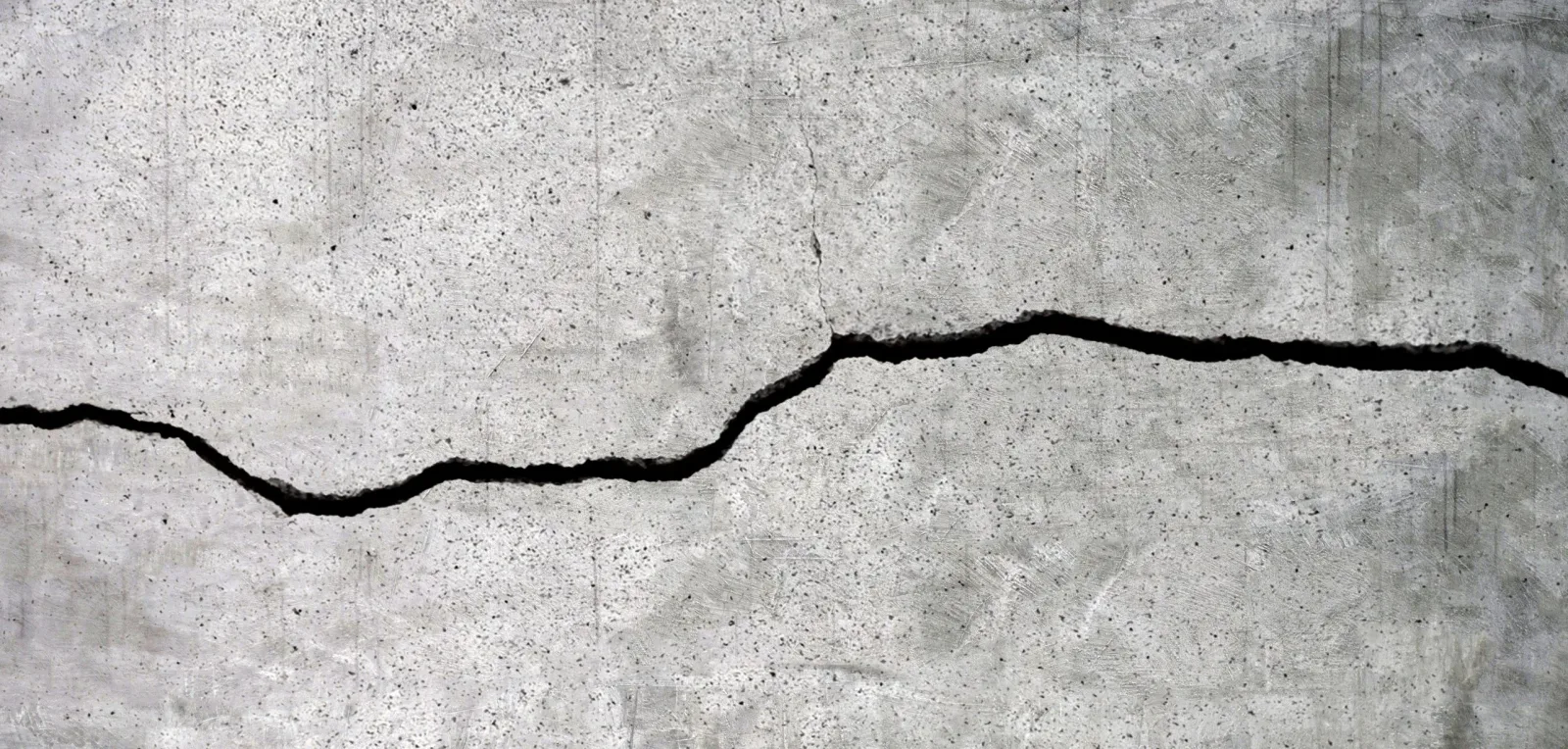
A dark patch on a wall can come from three very different problems: condensation, a leak or rising damp. People often confuse them, and that is expensive, because each one is fixed in a different way. If you are visiting homes, knowing how to recognise them will help you ask the right questions before you sign.
Condensation
It appears when water vapour in the indoor air touches a cold surface and turns into water. It is the most common cause of damp in lived-in homes and is usually linked to poor ventilation or to cold spots in the building envelope.
- Where it appears: corners, ceilings of outside-facing rooms, behind wardrobes and around windows.
- What it looks like: black mould spots, drops on the glass in the morning and paint that turns dark.
- When it gets worse: in winter and in rooms with a lot of steam, such as bathrooms and kitchens.
Leaks
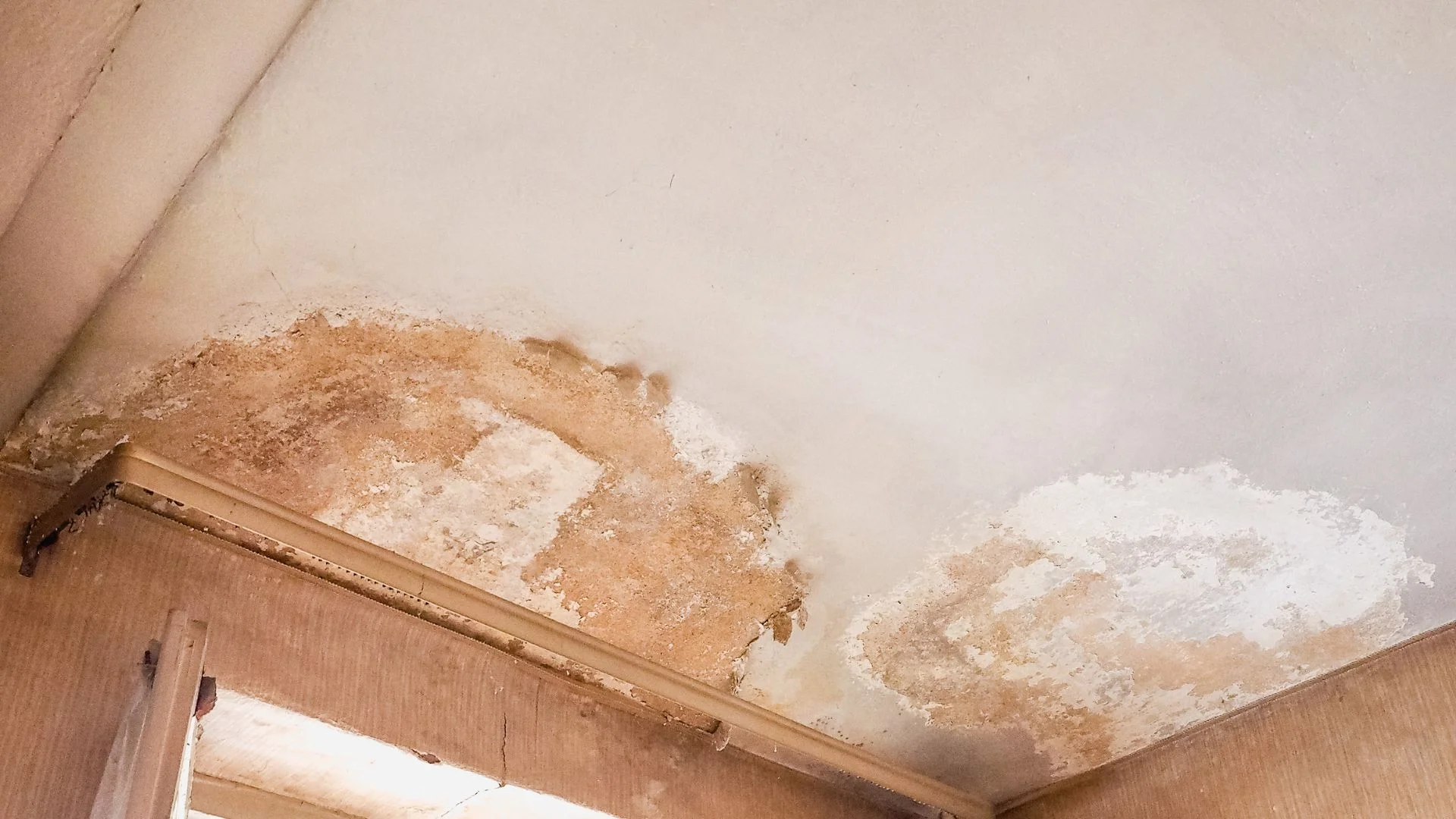
Water gets in from outside or from an installation: a roof in poor condition, a façade with cracks, a terrace with poor waterproofing or a pipe that leaks. It is the most urgent one to treat, because the damage grows as long as water keeps getting in.
- Where it appears: ceilings under roofs or terraces, outside walls and areas near downpipes or pipes.
- What it looks like: stains with a ring or halo, bubbling paint and plaster coming off.
- When it gets worse: after heavy rain, or all the time if the source is a pipe.
Rising damp
Water from the ground rises through the pores of the walls, like it would through a sponge. It is typical of ground floors and old buildings without a damp-proof barrier at the base of the walls.
- Where it appears: at the bottom of the walls, forming a horizontal band.
- What it looks like: damaged skirting, flaking paint and white salts (efflorescence) on the surface.
- When it gets worse: in rainy periods, although it is usually there all year.
Quick comparison
| Type | Typical location | Easiest sign to recognise |
|---|---|---|
| Condensation | Corners, ceilings and windows | Black mould and misted-up glass |
| Leak | Ceilings under the roof and outside walls | Stains with a ring after rain |
| Rising damp | Bottom of the walls | Horizontal band and white salts |
A freshly painted wall in a home for sale is not always a bad sign, but it is worth asking why it was painted. Paint can hide any of these types of damp for a while.
How the origin is confirmed
It is easy to get it wrong just by looking, especially when two problems happen at the same time. A professional inspection combines observation with measurements: moisture meters to measure how wet the material is, and a thermal camera to find cold areas, water paths and thermal bridges without opening walls.
Conclusion
Identifying the type of damp before you buy lets you estimate the cost of the repair and negotiate with facts. If you like a home but it has stains you cannot explain, a technical inspection will tell you what is behind them.

Written by
Revicasa
Revicasa architects team
Architects who inspect homes every week and explain what you should know before buying, selling or renovating.