When buying a home, it’s essential to make sure the property has no hidden problems that could lead to costly repairs down the line. A range of construction defects can take a toll on safety, comfort and a property’s market value.
1. Cracks in walls and ceilings
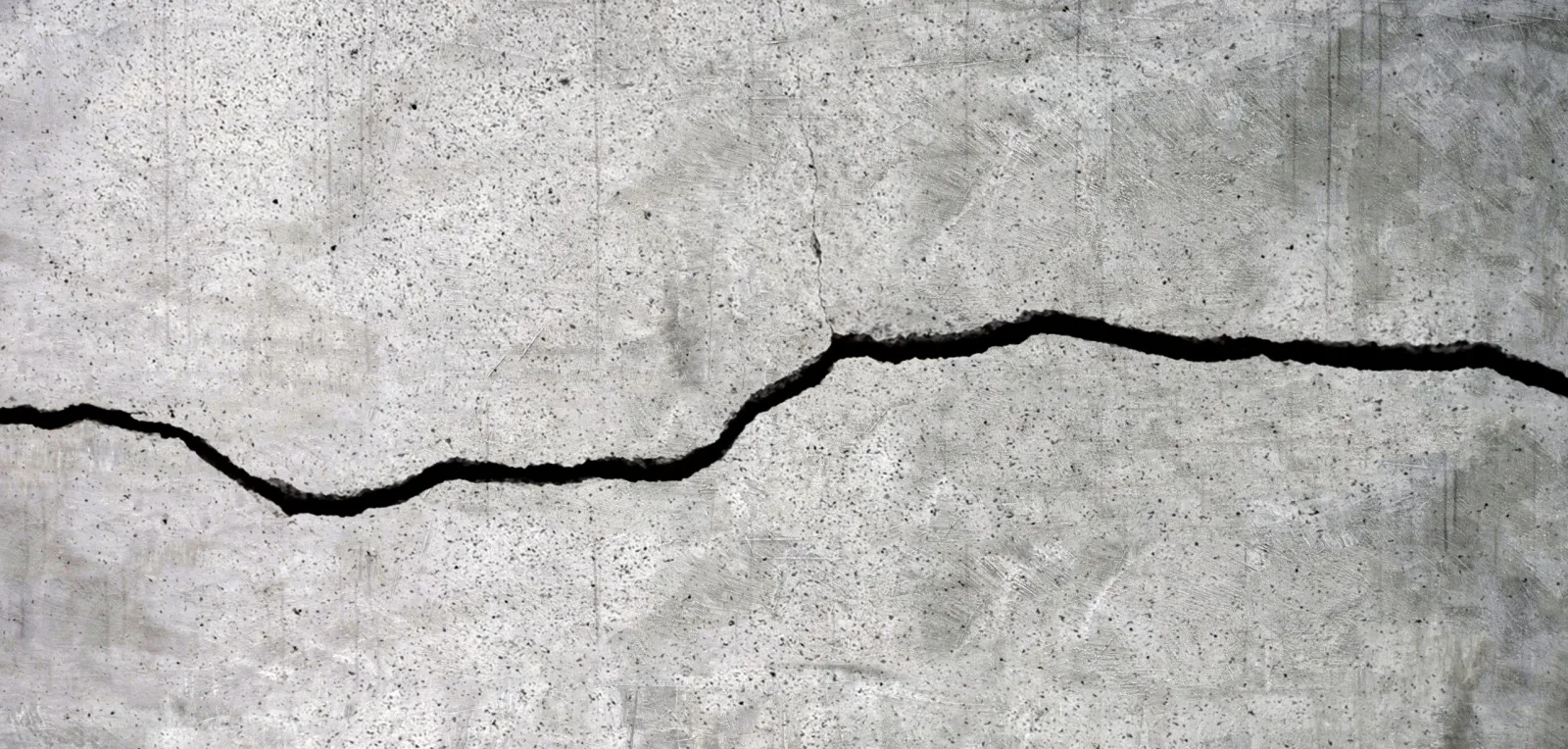
Cracks can range from harmless surface changes in the material to serious structural issues. The most worrying ones are those running through load-bearing walls or showing a diagonal pattern.
How to spot it: look for deep or widening cracks, especially around doorways and windows.
2. Damp and water ingress
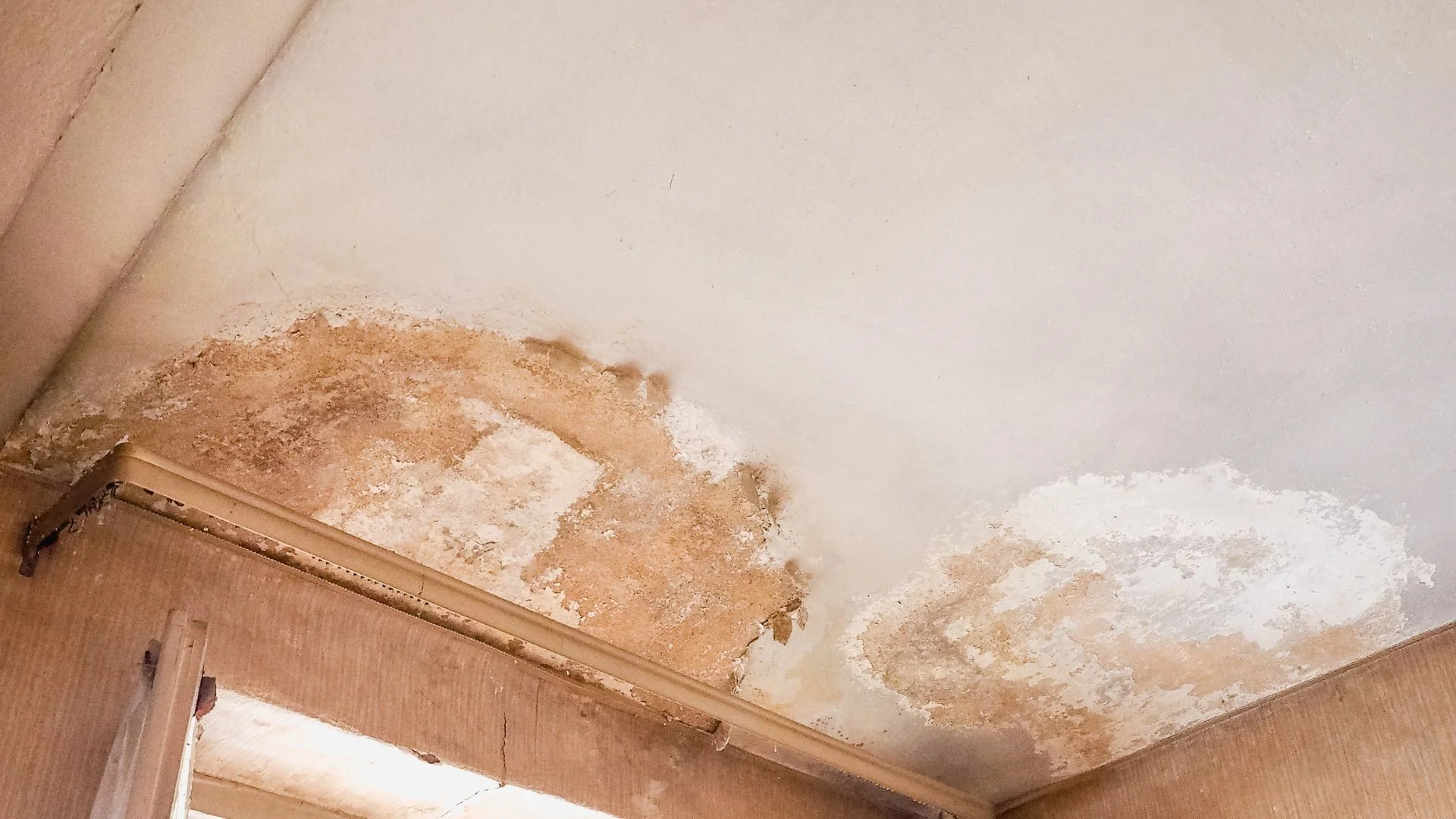
Damp can be caused by rising damp (drawn up from the ground), water ingress (rainfall, deteriorated roofing) or condensation (poor ventilation).
How to spot it: dark stains, a musty smell or peeling paint on vertical and horizontal surfaces.
3. Problems with the electrical system
A faulty installation poses a serious hazard: worn cables, overloaded connections or defective protective devices can cause short circuits and fires.
How to spot it: visibly damaged wiring, fuses that trip frequently or sockets that don’t work.
4. Plumbing defects
Leaks, corroded pipes or inconsistent water pressure can cause significant problems.
How to spot it: noises in the pipes, dripping taps or discoloured water in the drains.
5. Roof and roof-covering defects
A deteriorated roof leads to water ingress and a loss of thermal insulation.
How to spot it: broken tiles, damp on ceilings or leaks during rainfall.
6. Poor thermal and acoustic insulation
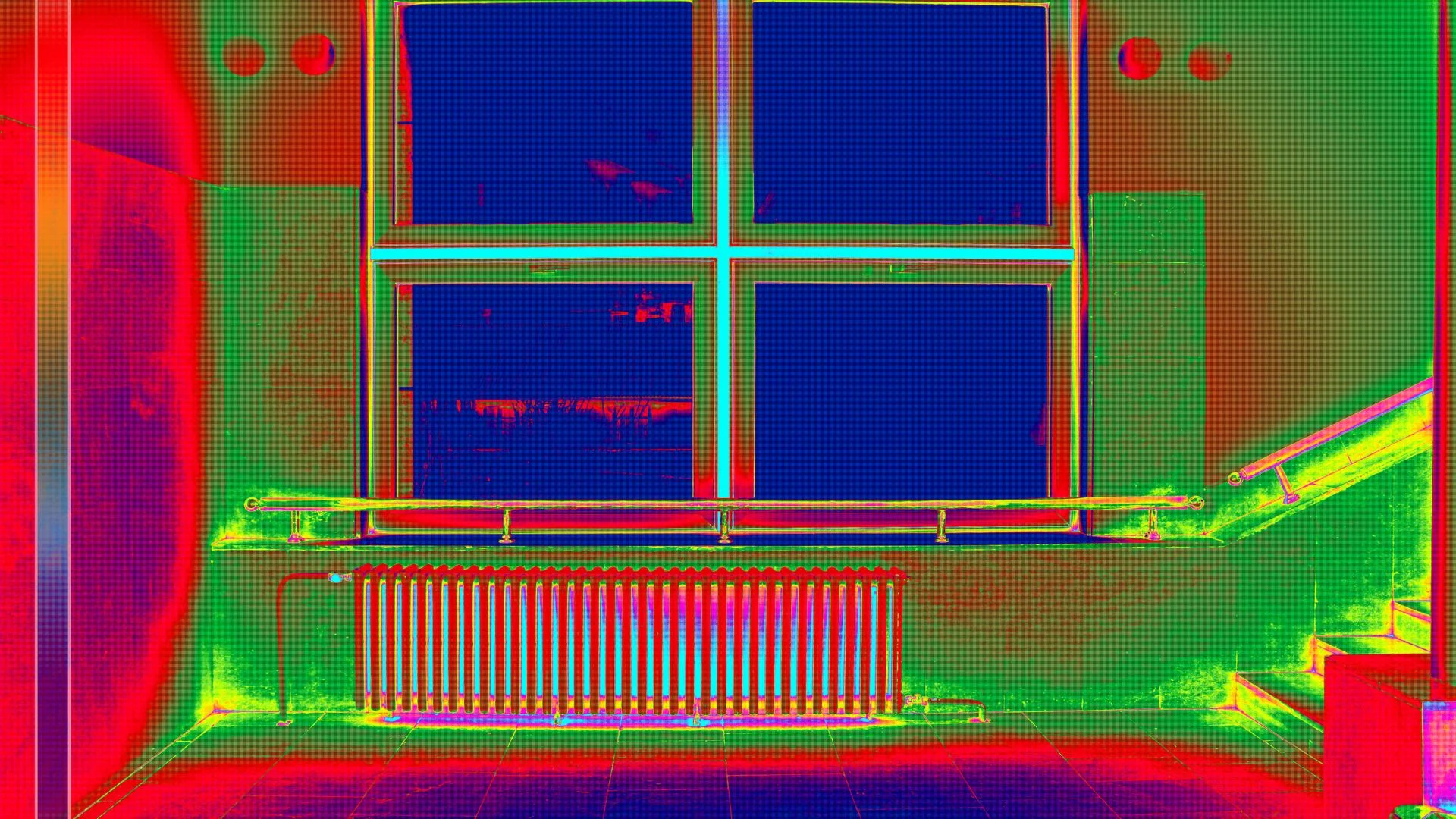
Poor insulation causes heat loss in winter and overheating in summer, as well as annoying noise between dwellings.
How to spot it: draughts near openings or cold surfaces during the winter.
7. Problems with floors and finishes
Floors may show uneven surfaces, excessive creaking or loose materials, signalling settlement or faulty installation.
How to spot it: walk through the rooms and watch for unusual movement or cracked tiles.
8. Ill-fitting windows and doors
Misaligned doors and windows can point to structural movement or installation errors.
How to spot it: open and close them several times to check that they work properly.
9. Hidden pests
Termites, woodworm or fungi can compromise the structure with no immediately visible symptoms.
How to spot it: traces of sawdust, hollow-sounding wood or unusual noises at night.
10. Gas installations in poor condition
A poorly maintained gas system can be dangerous and lead to leaks.
How to spot it: a distinctive smell, orange flames or burners that go out on their own. If you suspect a leak, leave the property and notify your gas supplier.
Conclusion
Before buying a home, a professional inspection is essential to catch these problems early. Revicasa offers thorough assessments to ensure safe, well-informed purchases.