Buying a home is probably the biggest investment of your life. So it’s only natural to wonder whether it’s worth inspecting it before signing. The short answer is yes in the vast majority of cases, but it helps to understand why and in which situations it’s truly essential.
Is a home inspection mandatory in Spain?
No. As things stand today, inspecting a home before buying it is not a legal requirement, unlike the energy performance certificate or the building’s technical inspection (ITE). But just because it isn’t mandatory doesn’t mean it isn’t necessary: it’s the only way to truly know what you’re buying.
Cases where an inspection is virtually essential
There are situations in which skipping an inspection means taking on a very high risk:
- Second-hand or older homes: wear and tear and accumulated problems aren’t always visible to the naked eye.
- Undocumented renovations: a poorly executed renovation can hide serious defects beneath new finishes.
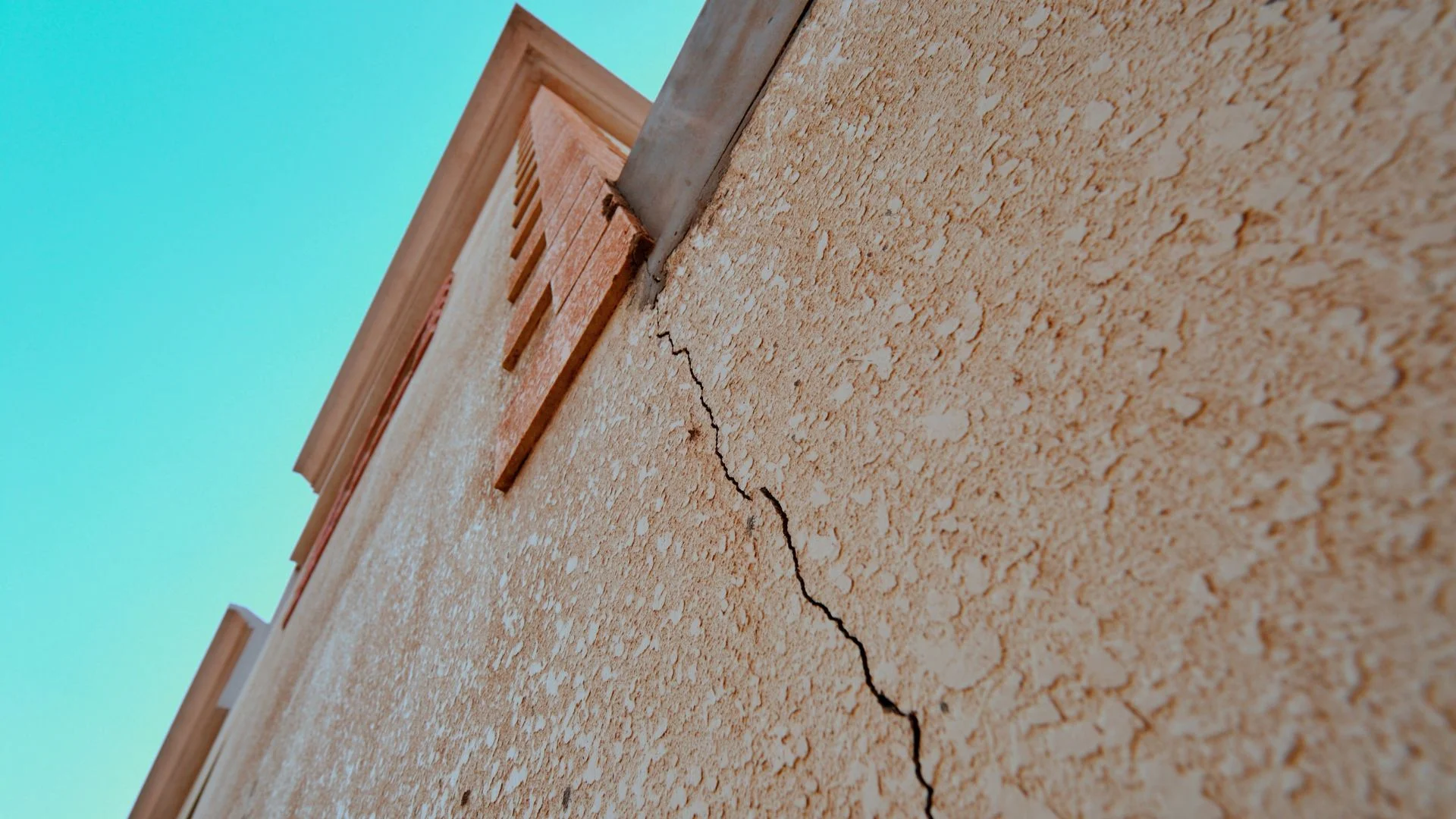
- Visible signs of damp, cracks or fissures: it’s worth knowing whether they’re superficial or a symptom of something serious.
- New builds: even when brand new, it’s worth checking before taking the keys so you can make a claim against the developer.
- Buying remotely or from abroad: if you can’t visit the property at your own pace, the inspection is your eyes on the ground.
- Buying as an investment: if you’re going to rent it out, you need to know its real condition and future costs.
When does it add less value?
Let’s be honest: in a very recently built home, with all guarantees still in force and complete documentation, the risk is lower. Even so, it’s still advisable, because defects appear even in new builds, and spotting them in time lets you make a claim while the warranty is still active.
Which risks an inspection covers
- Structural defects that can cost tens of thousands of euros.
- Electrical, plumbing or gas installations in poor or dangerous condition.
- Damp and leaks that come back if they’re not dealt with at the root.
- Hidden extra costs that don’t surface until you’ve already signed.
- Bargaining power: with the facts in hand you can adjust the price.
Common myths
- If the home looks fine, it is fine: many serious defects aren’t visible during a normal visit.
- The appraisal already checks the condition: false. The appraisal calculates the market value, not the technical condition.
- It’s very expensive: the cost of an inspection is a tiny fraction of the price of the home and of what an unexpected repair can cost.
An inspection isn’t mandatory, but it’s the best way to avoid buying blind: it turns a decision worth thousands of euros into an informed one.
Conclusion
Except in very specific cases, inspecting a home before buying always pays off. It’s not an expense, it’s an investment in peace of mind and security for the biggest purchase of your life.