Thermal bridges are weak points in certain areas of a home’s envelope, such as the junctions between façades and roofs, where heat is lost between the inside and the outside. At Revicasa we specialise in detecting them, especially around windows.
What is a thermal bridge?
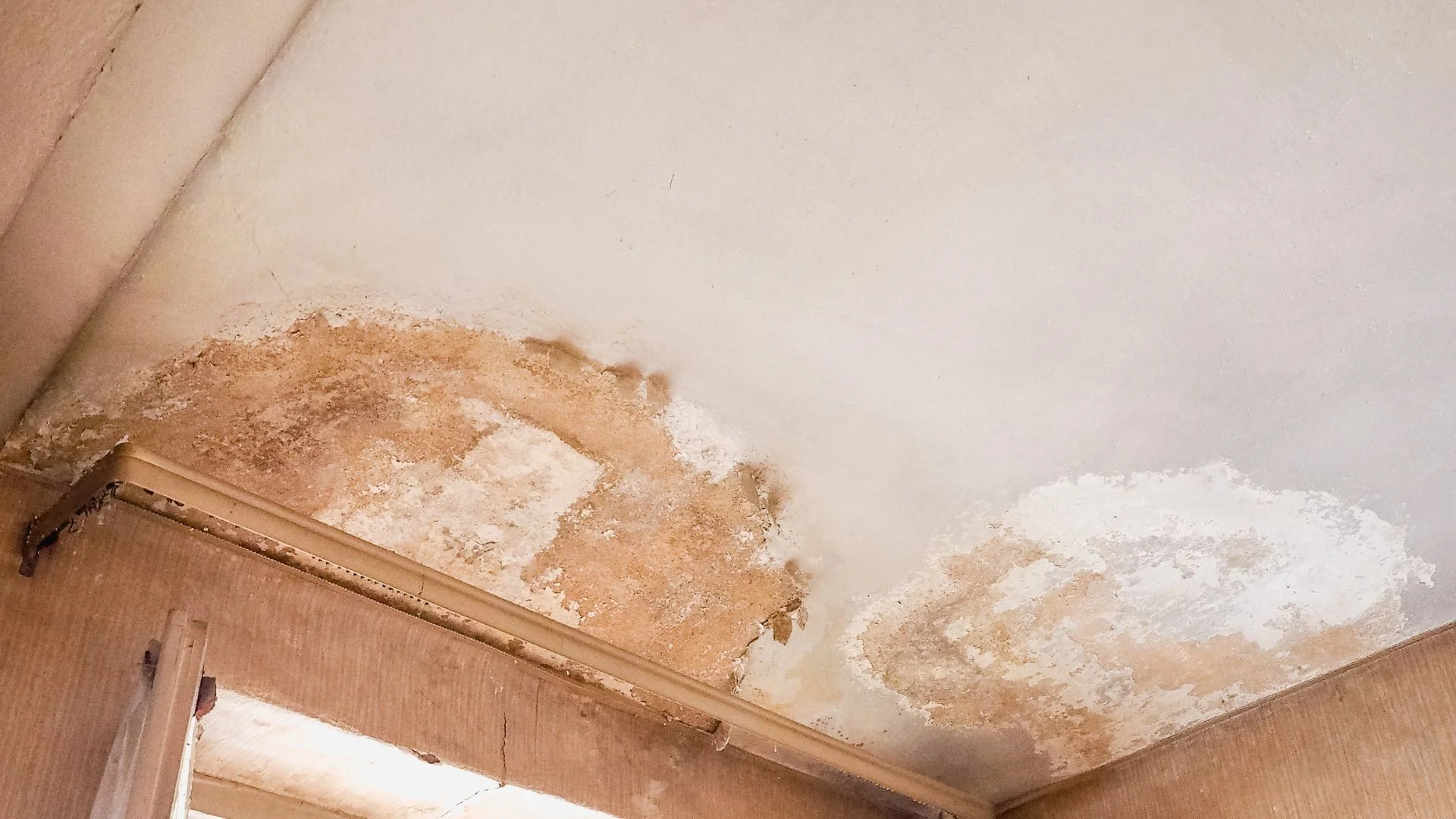
A thermal bridge is an area where heat transfer is significantly higher than across the rest of the surface. This happens because of conductive materials that make it easier for heat to escape or enter, creating cold or hot spots inside the home.
What causes a thermal bridge?
- The building element is continuous: the same material is in contact with both the outside and the inside.
- Faulty joints between materials: the connection between different elements is not properly sealed.
Why good window insulation matters
Proper insulation is essential to maintain the indoor temperature and reduce energy loss. Poor windows drive up heating and cooling costs and worsen overall thermal comfort.
Why do aluminium windows have thermal bridges?
Aluminium has very high thermal conductivity. Without the right treatment (a thermal break), it easily transfers heat between the outside and the inside, causing significant energy losses.
How we detect thermal bridges during an inspection
- Visual inspection: we identify areas with temperature differences on interior surfaces, especially near windows.
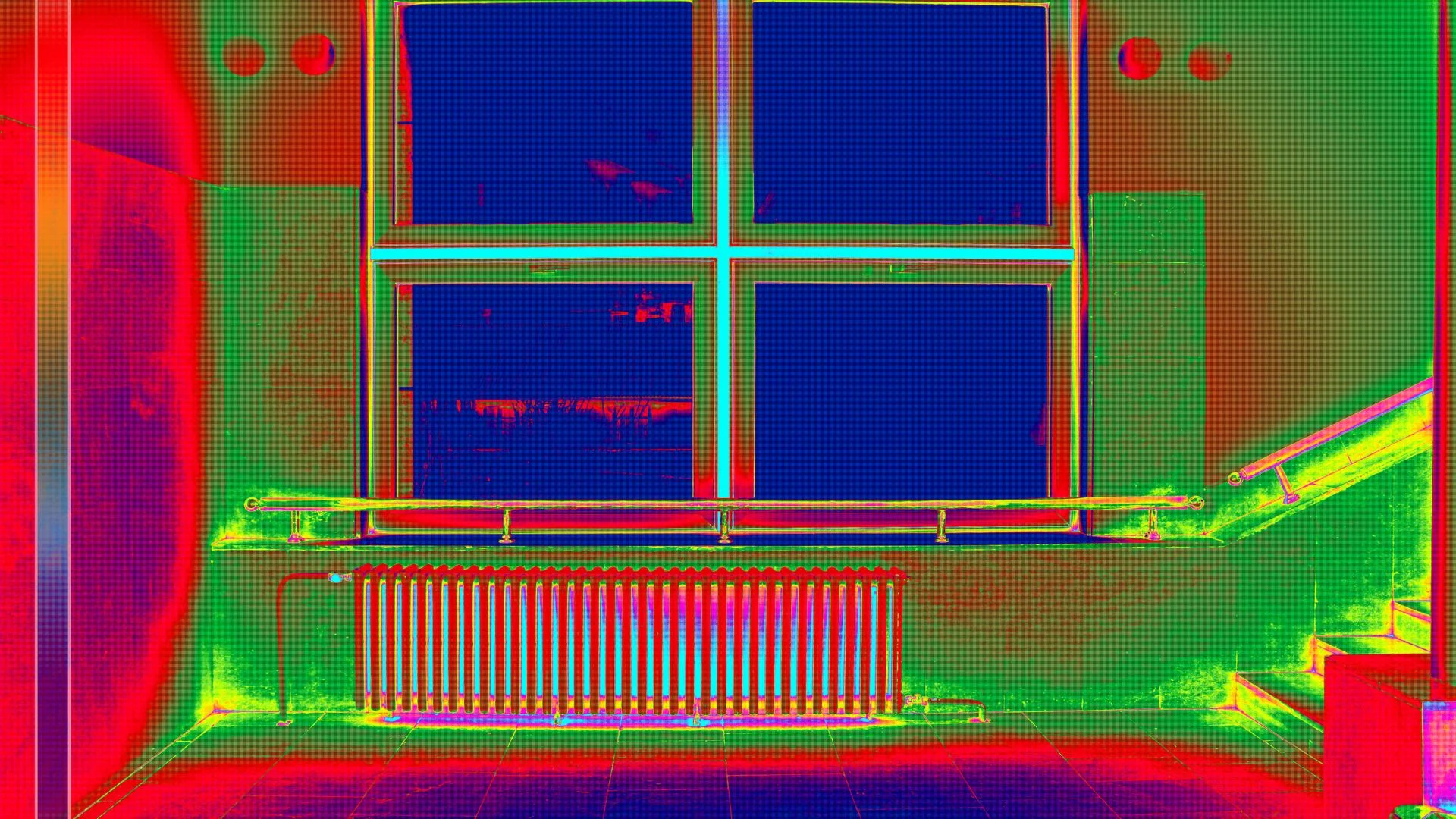
- Infrared thermometers and thermal cameras: they detect temperature variations and reveal thermal bridges that are invisible to the naked eye.
Using the thermal camera
Thermographic cameras are an indispensable tool for our inspectors. They capture thermal images that clearly show where heat loss is occurring.
Solutions for thermal bridges around windows
- Windows with a thermal break (RPT): they incorporate internal insulating materials that interrupt heat transfer.
- Improving insulation: adding insulation around the existing windows.
- Replacing the windows: switching to efficient models (PVC or wood) in severe cases.
Conclusion
Detecting insulation deficiencies calls for a home inspection expert who can analyse the causes and provide a detailed report with the most suitable solutions.