In the first half of 2026, Dutch buyers accounted for 12.6% of all homes bought by non-residents in Spain and German buyers for 11.8%, ahead of the British (10.4%), according to Spain's General Council of Notaries. The pattern is regional: Germans made 52.5% of non-resident purchases in the Balearic Islands and 22.3% in the Canaries; the Dutch lead in the Valencia region (15.8%), Andalusia (13.4%) and Murcia (17.8%).
Both groups come from markets where a technical inspection before buying is standard: in the Netherlands the bouwkundige keuring is often written into the purchase agreement as a condition, and in Germany a Bausachverständiger or Gutachter is routinely hired before the notary. In Spain none of this happens by default. The notary certifies ownership and identity; the condition of the building is nobody's job unless the buyer orders it.
What a Spanish inspection should cover in a coastal home
- Rising damp and salt efflorescence (salitre) in ground floors and basements, very common within a few hundred metres of the sea.
- Flat roofs and terraces: age of the waterproofing, drainage, cracks in the paving. This is the number one source of leaks in Costa Blanca and Mallorca homes.
- Electrical installation: many 1970s–1990s apartments in Torrevieja, Benidorm, Calpe or Palma still have no earth connection or modern protection.
- Windows and condensation: aluminium frames without a thermal break create condensation and mould in winter, a surprise for buyers used to Dutch or German insulation standards.
- Villas and fincas: pool shell and filtration, retaining walls, septic tanks, water supply (well or mains) and, above all, the legal status of anything built on rustic land.
- Paperwork that affects value: first-occupation licence, habitability certificate (cédula), energy certificate and the building's technical inspection (ITE or IEE) if it is over 50 years old.
How it works when you are not in Spain
- Book online with the address and the date agreed with the agent; the architect coordinates access with the seller or the agency.
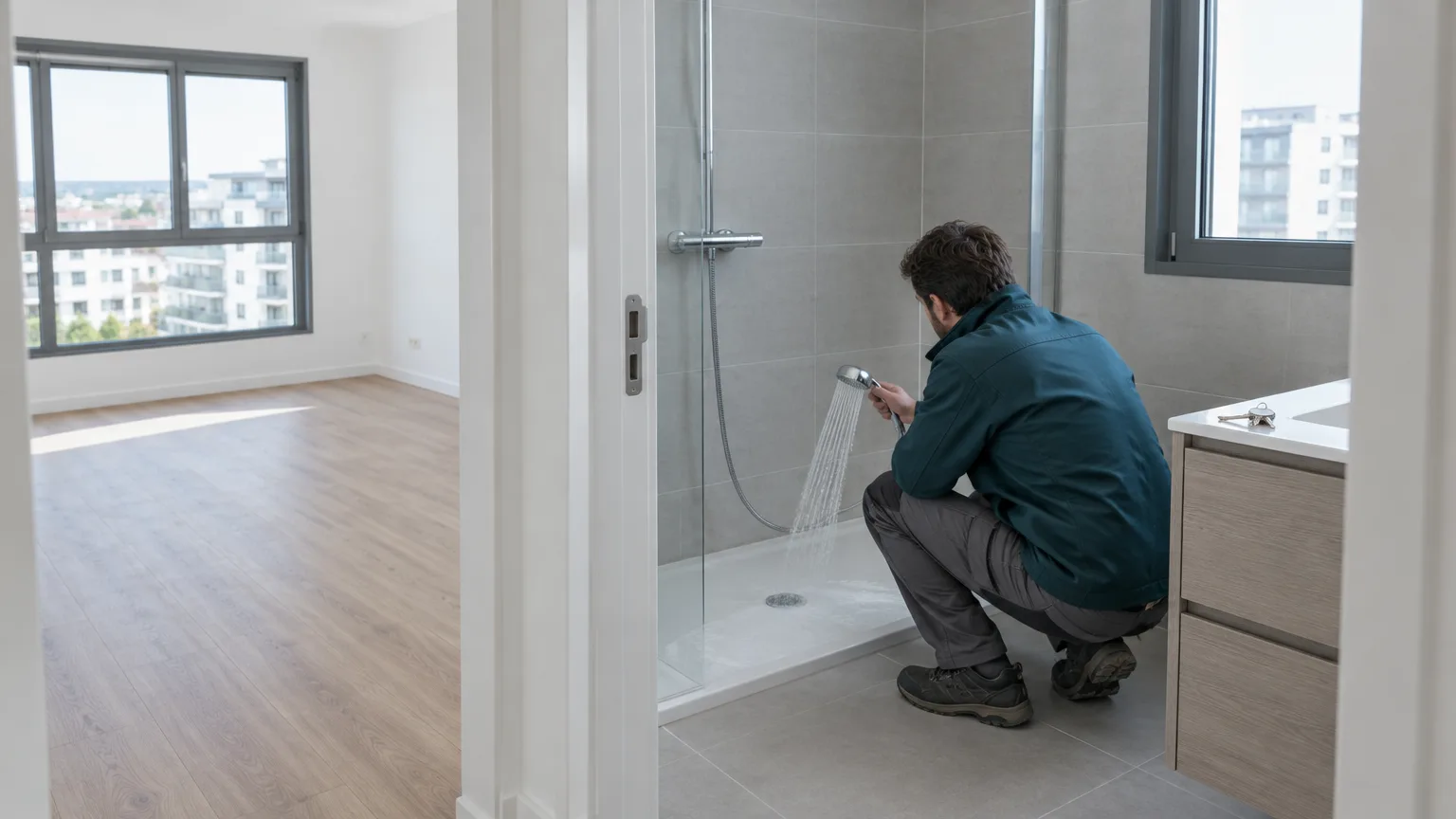
- The architect inspects more than 250 points with a thermal camera, moisture meter and electrical tester; large roofs can be checked with a drone.
- You receive the report within 48 hours in the language you choose when booking (Dutch and German are available), with photos, severity levels and estimated repair costs.
- You use it before the arras contract, the deposit agreement where you commit 10% of the price, to negotiate, to ask for repairs or to walk away.
| At home | In Spain | What to do |
|---|---|---|
| Bouwkundige keuring as a condition in the koopovereenkomst | No standard inspection clause | Make the reservation or the arras conditional on the inspection result |
| Bausachverständiger before the Notar | The notary checks title, not condition | Order an independent inspection by an architect |
| Seller liability for years | Six months for hidden defects on second-hand homes | Document the condition before signing |
From 299 € for a flat and 369 € for a villa, with the report in Dutch, German or English within 48 hours. If the architect finds no problems, Revicasa refunds the fee (conditions apply).
Prices make the inspection cheap by comparison: German buyers paid an average of 3,763 €/m² in Spain in the first half of 2026, among the highest of any nationality. On a 350,000 € home, the inspection costs less than 0.1% of the price, and the average saving negotiated by Revicasa clients exceeds 14,500 €.
Sources: Consejo General del Notariado (first half of 2026); Colegio de Registradores (second quarter of 2026).
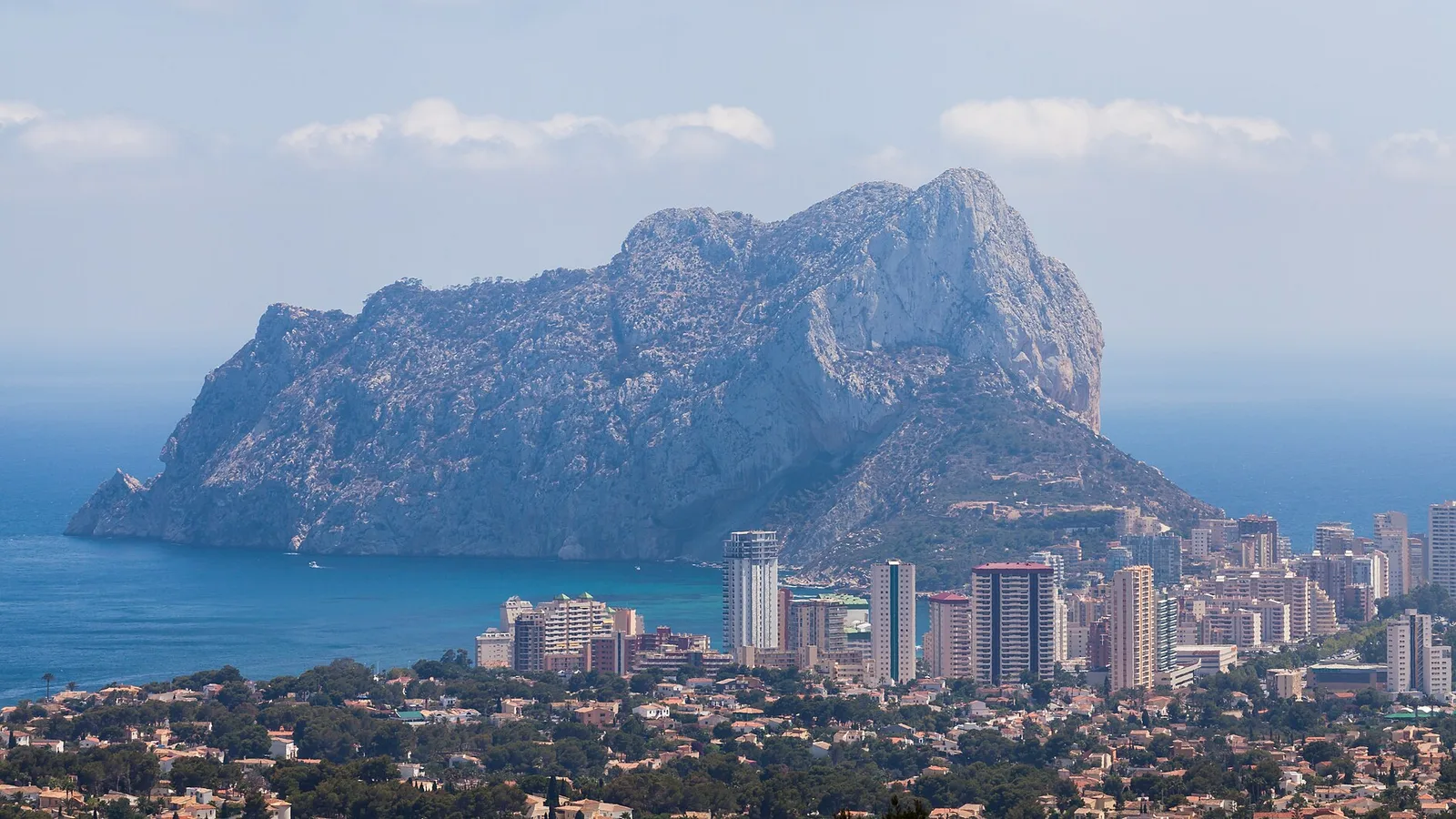
Cover photo: Calpe and the Peñón de Ifach (Alicante). Diego Delso, CC BY-SA 4.0, via Wikimedia Commons.

Written by
Revicasa
Revicasa architects team
Architects who inspect homes every week and explain what you should know before buying, selling or renovating.