Barcelona closed the third quarter of 2026 at an average 5,124 €/m², behind only San Sebastián and Madrid, according to the quarterly statistics published in November by the Property Registrars. In the Eixample, idealista put asking prices at 6,496 €/m² in May. At those levels an 80 m² flat approaches half a million euros, and in a market with fewer sales (164,148 across Spain, the lowest volume in nine quarters) the buyer finally has some room to negotiate. Using it means knowing the building's defects before signing the arras deposit, and in Barcelona that depends a great deal on the district.
Aluminosis: the defect that marked the city
On 11 November 1990 a block on Carrer Cadí, in Turó de la Peira, collapsed because its high-alumina cement beams had degraded. The study commissioned by the Catalan government and the city council estimated some 35,000 flats affected in Barcelona; more than 50 blocks were demolished and more than a hundred refurbished. High-alumina cement was used in precast beams between the 1950s and 1977, and undiagnosed buildings remain in Nou Barris, the Besòs, La Verneda, Sant Andreu and towns across the metropolitan area. In 2024 the city council agreed to speed up the refurbishment of blocks with aluminosis in Besòs i el Maresme. If the building you are viewing dates from that era, ask for the full ITE report and for any high-alumina cement assessment; if none exists, an inspection can identify the beam type and the symptoms (longitudinal cracks, rusted reinforcement, sagging ceilings).
What to check in each district
| Area | Typical period | What the inspection checks |
|---|---|---|
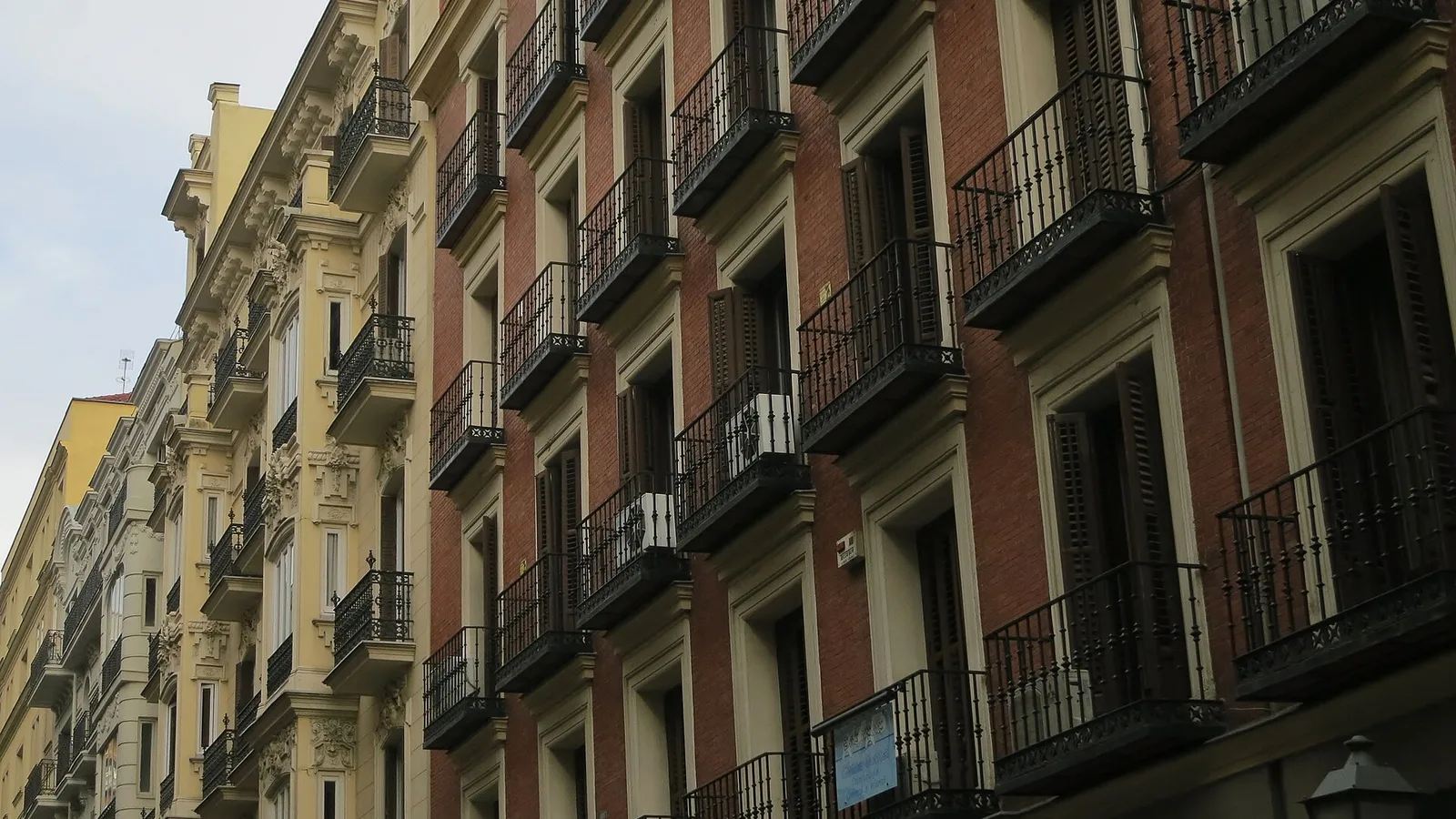
| Eixample | 1870-1936, grand bourgeois buildings | Steel-joist and ceramic-vault floors, asbestos-cement downpipes, old wiring, Catalan flat roof, lift added later |
| Gràcia and Sants | 1900-1940, two- and three-storey houses | Timber beams, light wells, rising damp on ground floors, stairs with no lift |
| Poblenou and 22@ | Converted warehouses and 2000-2010 new builds | Groundwater damp in ground floors and basements, acoustic insulation, lofts converted without a change-of-use licence |
| Nou Barris, Besòs, Verneda | 1955-1977, public and private housing blocks | Aluminosis, carbonation, façades shedding material, shared installations |
| Sarrià-Sant Gervasi and Les Corts | 1960-1985, mid-to-upper quality blocks | Terraces and roofs, original aluminium windows, central heating, leaking garages |
The ITE: what it says and what it leaves out
In Catalonia, Decree 67/2015 requires every residential building over 45 years old to pass the Technical Building Inspection (ITE), and the certificate of fitness lasts 3 to 10 years depending on how serious the deficiencies are. In Barcelona that covers almost all of the Eixample, Gràcia, Sants and the 1960s and 1970s estates. But the ITE looks at the building, not at your flat: it grades deficiencies in the structure, façade, roof and shared installations and sets deadlines to repair them. Ask for the full report and the minutes of the last meetings to learn which levies are coming. What happens inside the home (damp, installations, windows, floors, ventilation) is only picked up by your own inspection. Across our more than 9,000 inspections, 77% of resale flats had defects that cannot be seen on a viewing, and the negotiation that followed saved buyers more than 14,500 € on average. To learn how to tell a hairline crack from a structural one, read this article.
Revicasa inspects flats across Barcelona and its metropolitan area with registered architects: more than 250 checkpoints, thermal imaging, a review of the ITE and the community minutes, and a report within 48 hours (13 languages to choose from when booking). From 299 € for a flat. If we find no problems, we refund the fee (conditions apply).
Sources: Colegio de Registradores, Estadística Registral Inmobiliaria, third quarter of 2026 (November 2026); idealista, Eixample price report (May 2026); Generalitat de Catalunya, Decree 67/2015 on technical building inspections; Betevé, 3Cat and Ara, coverage of the Turó de la Peira collapse (1990), the study that followed and the 2024 agreement for Besòs i el Maresme.
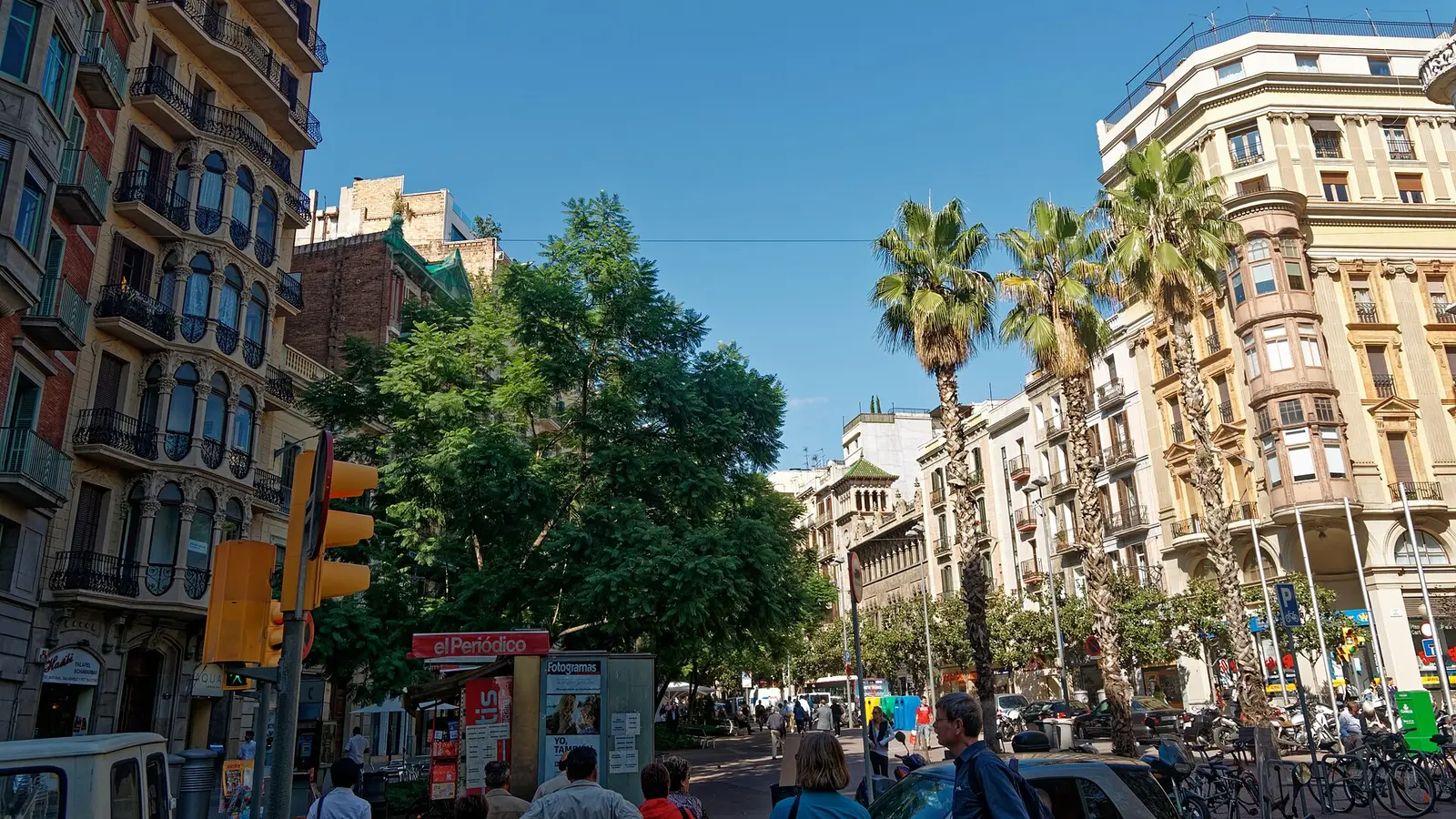
Cover photo: Passeig de Gràcia, Barcelona. Txllxt TxllxT, CC BY-SA 4.0, via Wikimedia Commons.

Written by
Revicasa
Revicasa architects team
Architects who inspect homes every week and explain what you should know before buying, selling or renovating.