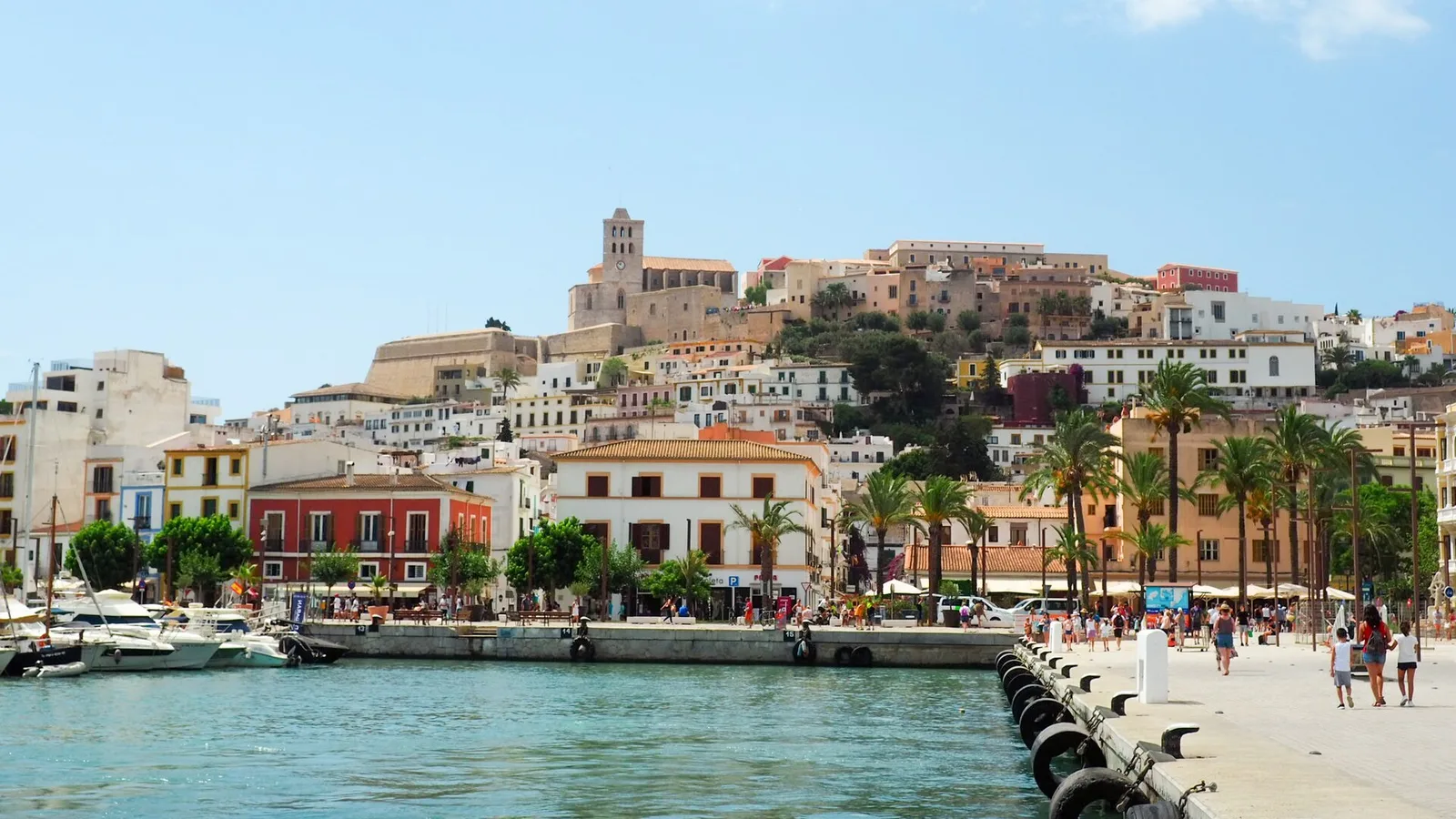
In the third quarter of 2026 foreigners signed 37.2% of all home purchases in the Balearic Islands and 30.4% in the Valencia region, the two highest shares in Spain according to the Property Registrars. On the islands, Germans accounted for 52.5% of non-resident buyers in the first half of the year, according to the General Council of Notaries. Many are looking for the same thing: a finca with land in the Tramuntana mountains, the Pla de Mallorca or inland from Jávea and Dénia. It is the purchase with the most unknowns in the Spanish market, because on rustic land the problem is rarely the house you can see; it is the permit that does not exist.
The three legal situations of a country house
- Legal with a licence: the house and every extension (pool, porch, guest house) appear on the municipal licence and match the Cadastre and the Land Registry. This is the only situation that lets you renovate and extend normally.
- Out of planning or 'assimilated' (AFO): built without a licence, but the offence is time-barred. In Andalusia, Decree-Law 3/2019 regulates the 'asimilado a fuera de ordenación' recognition: it does not legalise the house, it only acknowledges that it exists and cannot be demolished; it allows utility contracts but no extensions, and it is excluded on specially protected land. In the Balearics, Decree-Law 3/2024 opened a route to legalise buildings on rustic land against payment of a financial contribution.
- Illegal and not time-barred: built or extended fewer years ago than the regional law requires, or on protected land where the offence never expires. It can carry a demolition order and, in practice, cannot be mortgaged or insured normally.
Which document answers which question
| Question | Document | Who obtains it |
|---|---|---|
| What is registered, and with what floor area? | Nota simple from the Land Registry and cadastral certificate | Lawyer or gestor, before the arras deposit |
| What may be built and what is recorded as legal? | Town hall planning certificate (certificado urbanístico) | Lawyer; it takes weeks, so ask early |
| Can you live there and connect water and electricity? | Habitability certificate, the cédula (Balearics, Catalonia, Valencia region) | Seller; if expired, a technician can renew it only if the house can be legalised |
| Is the out-of-planning status officially recognised? | AFO resolution or legalisation file | Seller; check that it covers every building on the plot |
| Where does the water come from and where does the waste go? | Well concession or registration, tanker contract, septic tank or treatment unit | Seller plus the inspection report |
What the inspection checks on a finca
A finca has no community of owners to pay for the roof and no water company to guarantee pressure. The inspection measures what no document tells you: the condition of the tiled roof and timber beams, cracks from ground movement in stone and marès walls, rising damp in ground floors without a void, the quality and flow of the well or cistern water, the state of the septic tank, the electrical installation (often solar panels plus a generator), the pool and its retaining walls, and whether what stands on the plot matches the Cadastre. Our architects cross-check that report with the planning paperwork so that, before you pay the deposit, you know whether what you are buying can be renovated, insured and resold. Across our more than 9,000 inspections, 77% of resale homes had defects that cannot be spotted on a viewing; in the countryside the share is higher.
Revicasa inspects fincas and villas in Mallorca, Menorca, Ibiza, the Costa Blanca and across Spain with registered architects: more than 250 checkpoints, thermal imaging, a drone for roofs, and a report within 48 hours in the language you choose (13 available, including German and Dutch). From 369 € for a detached house. If we find no problems, we refund the fee (conditions apply).
Sources: Colegio de Registradores, Estadística Registral Inmobiliaria, third quarter of 2026 (November 2026); Consejo General del Notariado, purchases by foreigners, first half of 2026; Junta de Andalucía, Decree-Law 3/2019 on irregular buildings; Govern de les Illes Balears, Decree-Law 3/2024 and Law 6/1997 on rustic land.
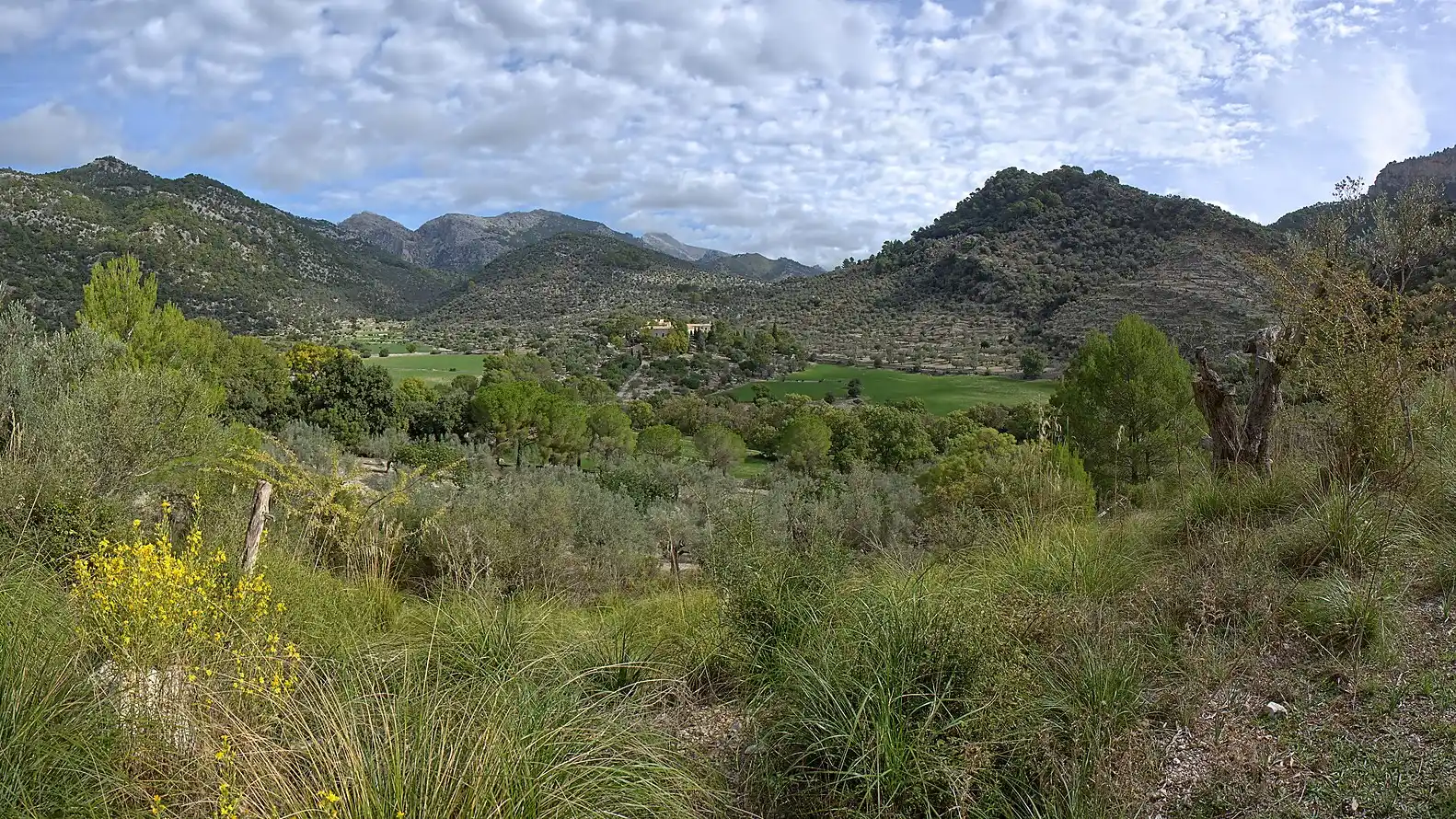
Cover photo: Solleric estate, Alaró, Mallorca. H. Zell, CC BY 3.0, via Wikimedia Commons.

Written by
Revicasa
Revicasa architects team
Architects who inspect homes every week and explain what you should know before buying, selling or renovating.