In the province of Girona, 24.7% of home purchases in 2026 were signed by foreigners, and across Catalonia the French are the most active nationality, according to Property Registrars data reported by pisos.com and idealista. Barcelona closed the third quarter of 2026 at 5,124 €/m², Spain's third most expensive city after San Sebastián and Madrid, according to the registrars' quarterly statistics. At those prices, a buyer used to compulsory surveys at home discovers that Spain has none: the only technical examination of the property is the one the buyer commissions.
The defects that come up most often
- Aluminosis: high-alumina cement was used in precast floor beams between the 1950s and 1970s, above all in Barcelona and its metropolitan area. The collapse of a block in Turó de la Peira in 1990 exposed the problem, and the study that followed estimated some 35,000 flats affected in the city. Untreated buildings remain in Nou Barris, the Besòs and the surrounding towns.
- Flat roofs and terraces: the ventilated Catalan roof is excellent while it is maintained; with blocked drains and worn-out bitumen sheets, the leaks end up in the top-floor flat.
- Salt corrosion and carbonation: on the front line of the Costa Brava and the Maresme, chlorides attack the steel in balconies, cantilevers and car parks. Cracks following the line of the rebar are the tell-tale sign.
- Holiday apartments: in Roses, L'Escala, Platja d'Aro or Lloret, many blocks built between 1965 and 1985 stay shut for eight months a year. Condensation, mould and unmaintained installations are the norm, and refurbishment levies are voted at summer meetings.
- Grand Eixample buildings: floors of steel joists and ceramic vaults, asbestos-cement downpipes, 1960s wiring and lifts squeezed into the light well. Beautiful and expensive to maintain.
What the inspection checks and which document backs it up
| Defect | Where and when | What the architect checks | Document to request |
|---|---|---|---|
| Aluminosis | Barcelona and metropolitan area, 1950-1977 | Beam type, cracking, corrosion, high-alumina cement report | ITE and, if it exists, the Housing Consortium assessment |
| Roof leaks | Top floors and penthouses, all of Catalonia | Thermal camera, membranes, drains and parapets | Community minutes and quotes for pending works |
| Salt corrosion | Seafront Costa Brava and Maresme | Balconies, cantilevers, garages; cracks and spalling | ITE with the grading and deadline of each deficiency |
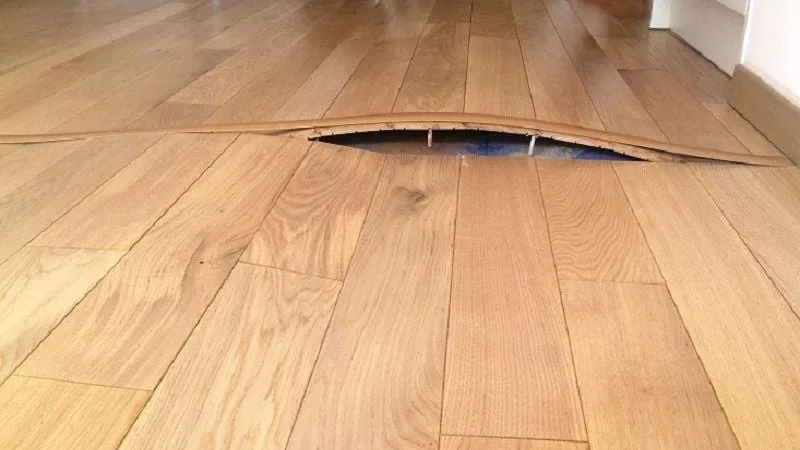
| Damp and condensation | Holiday apartments, 1965-1985 | Moisture meter, ventilation, windows, mould | Valid habitability certificate (cédula) |
| Obsolete installations | Buildings from before 1980 | Consumer unit, downpipes, water risers, gas | Electrical certificate and gas certificate |
The Catalan ITE: what it is and what it is not
In Catalonia, Decree 67/2015 requires every residential building over 45 years old to pass the Technical Building Inspection (ITE), and the resulting certificate of fitness lasts between 3 and 10 years depending on the deficiencies found. It is an examination of the building, not of the flat: it says whether the structure, the façade and the shared installations have minor, significant, serious or very serious deficiencies, but it never enters your home. Always ask for the full report, not just the certificate, and check that the deficiencies listed have been repaired or budgeted. The property inspection does the rest: across our more than 9,000 inspections, 77% of resale flats had defects invisible on a viewing, and the negotiation that followed saved buyers more than 14,500 € on average.
Revicasa inspects flats and houses in Barcelona, Girona and along the Costa Brava with registered architects: more than 250 checkpoints, thermal imaging and a report within 48 hours in English or the language you choose when booking (13 available). From 299 € for a flat and 369 € for a house. If we find no problems, we refund the fee (conditions apply).
Sources: Colegio de Registradores, Estadística Registral Inmobiliaria, third quarter of 2026 (November 2026) and yearbook of foreign buyers (Girona and Catalonia data reported by pisos.com and idealista in 2026); Generalitat de Catalunya, Decree 67/2015 on technical building inspections; Betevé and 3Cat, coverage of the Turó de la Peira collapse (1990) and the aluminosis study that followed.
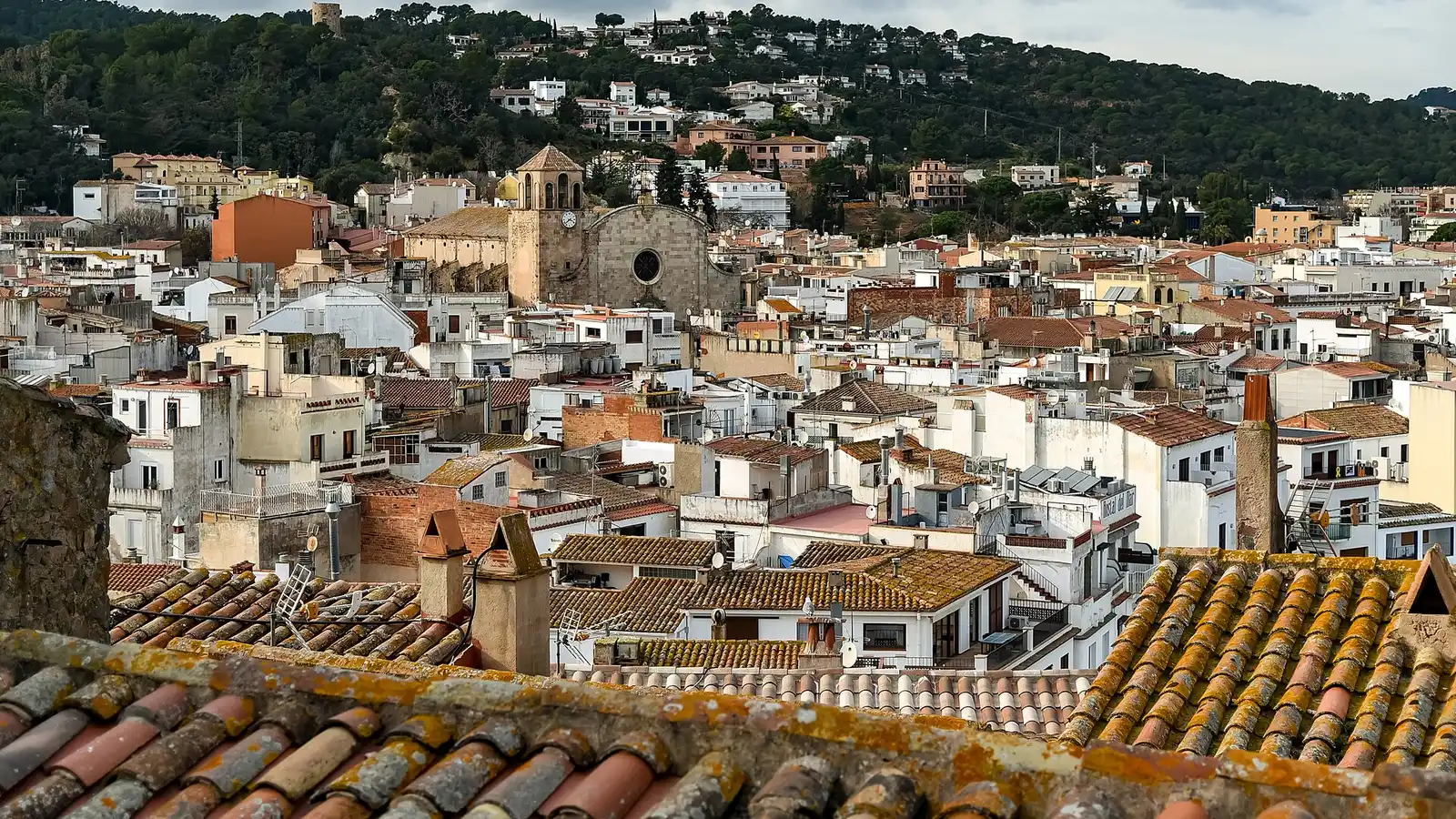
Cover photo: rooftops of Tossa de Mar, Costa Brava. Jorge Franganillo, CC BY 2.0, via Wikimedia Commons.

Written by
Revicasa
Revicasa architects team
Architects who inspect homes every week and explain what you should know before buying, selling or renovating.