Is a home inspection mandatory in Spain?
In Spain, a home inspection is not required by law to buy a property, but there are situations where it is strongly recommended or even required under specific regulations.
1. Building Technical Inspection (ITE) — mandatory for older buildings
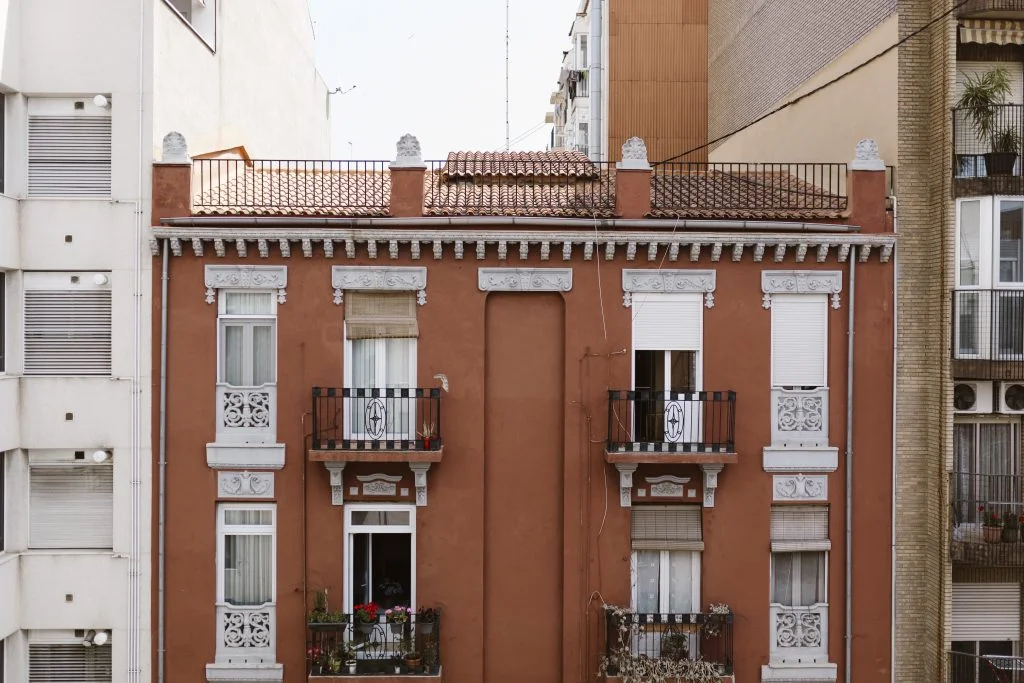
The ITE is a mandatory assessment that buildings of a certain age must pass (usually more than 30 or 50 years old, depending on the autonomous community). It guarantees minimum standards of safety, sanitation and accessibility.
Who is required to comply?
- Residential buildings more than 30–50 years old, depending on local regulations.
- Homeowners’ associations and sole owners of buildings.
- In some cases, it is a requirement to apply for refurbishment grants.
2. Inspections for mortgages and insurance
Some banks and insurers request a technical report before granting a mortgage or arranging home insurance. Typical cases:
- Old homes or those in poor condition.
- Inherited properties that need a structural review.
- Homes with major renovations carried out without a technical certificate.
3. Buying second-hand homes — strongly recommended
Even though it is not mandatory, having an inspection before buying a second-hand home is a smart decision. It covers:
- Potential structural defects (cracks, settlement).
- Electrical and plumbing systems.
- Damp or insulation problems.
- The condition of floors, joinery and finishes.
Regulations on home inspections in Spain
- Building Planning Act (LOE): governs quality and liability in construction.
- ITE regulations: mandatory for older buildings (varies by autonomous community).
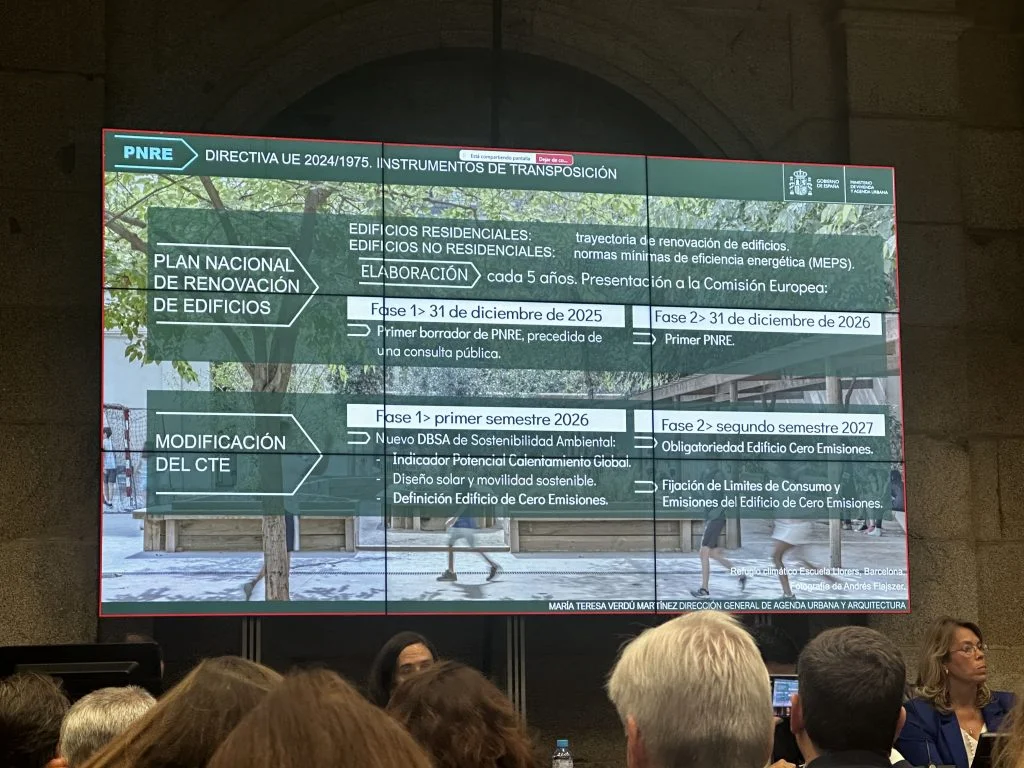
- Technical Building Code (CTE): sets out structural and energy-efficiency requirements.
Conclusion
Although it is not always mandatory, a home inspection can save you thousands of euros in repairs and ensure that you are buying with peace of mind.