Air-source heat pump technology (known in Spain as aerotermia) has grown in popularity over recent years as an efficient, sustainable alternative for heating and cooling homes. At Revicasa we explain what it is, how it works, the common problems it can develop and what we look at during an inspection.
What is an air-source heat pump system?
An air-source heat pump is a climate-control system that harnesses the energy held in the air to produce heating, cooling and domestic hot water for a home. It extracts heat from the outdoor air, even at low temperatures, using a heat pump that raises that temperature and transfers it inside the home.
Its main advantage is its high energy efficiency and low maintenance requirements. On the downside, the installation cost is higher than that of other traditional heating systems.
How does an air-source heat pump work?
It operates on a four-stage thermodynamic cycle: evaporation, compression, condensation and expansion. During evaporation, the refrigerant absorbs heat from the outdoor air; it is then compressed to raise its temperature and pressure; during condensation it releases the heat to the heating system or to the domestic hot water; and finally it expands to restart the cycle.
How do I know if my home has an air-source heat pump?
It’s easy to spot. The most visible parts are the outdoor heat pump (a unit with an air inlet installed on the façade or terrace that captures energy from outside) and the indoor unit, similar to a refrigerator and fitted with a control panel, which distributes the energy throughout the home.
The compressor raises the pressure and temperature of the refrigerant to concentrate the heat it has absorbed. The hot refrigerant then moves to the indoor unit, where it releases its heat to the heating system or to the domestic hot water. This delivers heating in winter and cooling in summer efficiently and quietly.
Underfloor heating and heat pumps: an efficient pairing
Underfloor heating distributes heat evenly through pipes laid beneath the flooring. Combined with an air-source heat pump, it makes use of the low-temperature water supplied by the pump to deliver excellent thermal comfort efficiently and almost silently.
Lower energy consumption
One of the main benefits of an air-source heat pump is reduced consumption: it’s estimated to cut residential heating and cooling costs by up to 50% compared with conventional systems, delivering significant savings over the course of the year.
Common problems with air-source heat pump systems
- Evaporator freezing: in cold climates, moisture in the outdoor air can freeze the evaporator and reduce its performance.
- Insufficient airflow: poor ventilation lowers efficiency and forces the heat pump to overwork.
- Refrigerant leaks: these cause a drop in performance and, in serious cases, damage to the compressor.
Air-source heat pumps during a home inspection
Identifying these problems calls for an experienced inspector who understands how the system works. During the inspection we check:
- System condition: cleanliness, corrosion, noises and the overall appearance of the indoor and outdoor units.
- Maintenance: we verify whether the recommended servicing has been carried out (filters, refrigerant pressure, etc.).
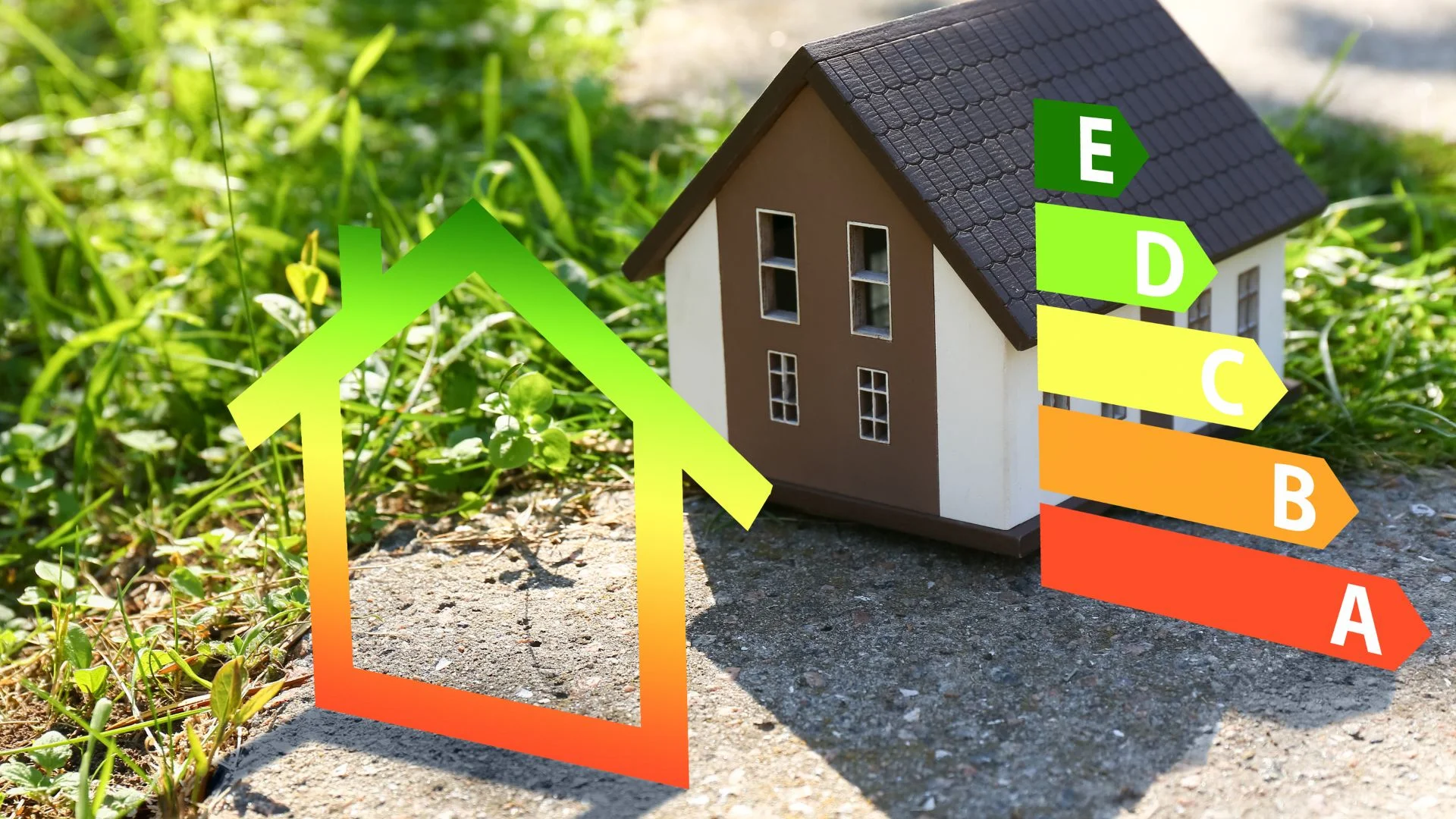
- Energy efficiency: we assess consumption and compare it against the manufacturer’s specifications.
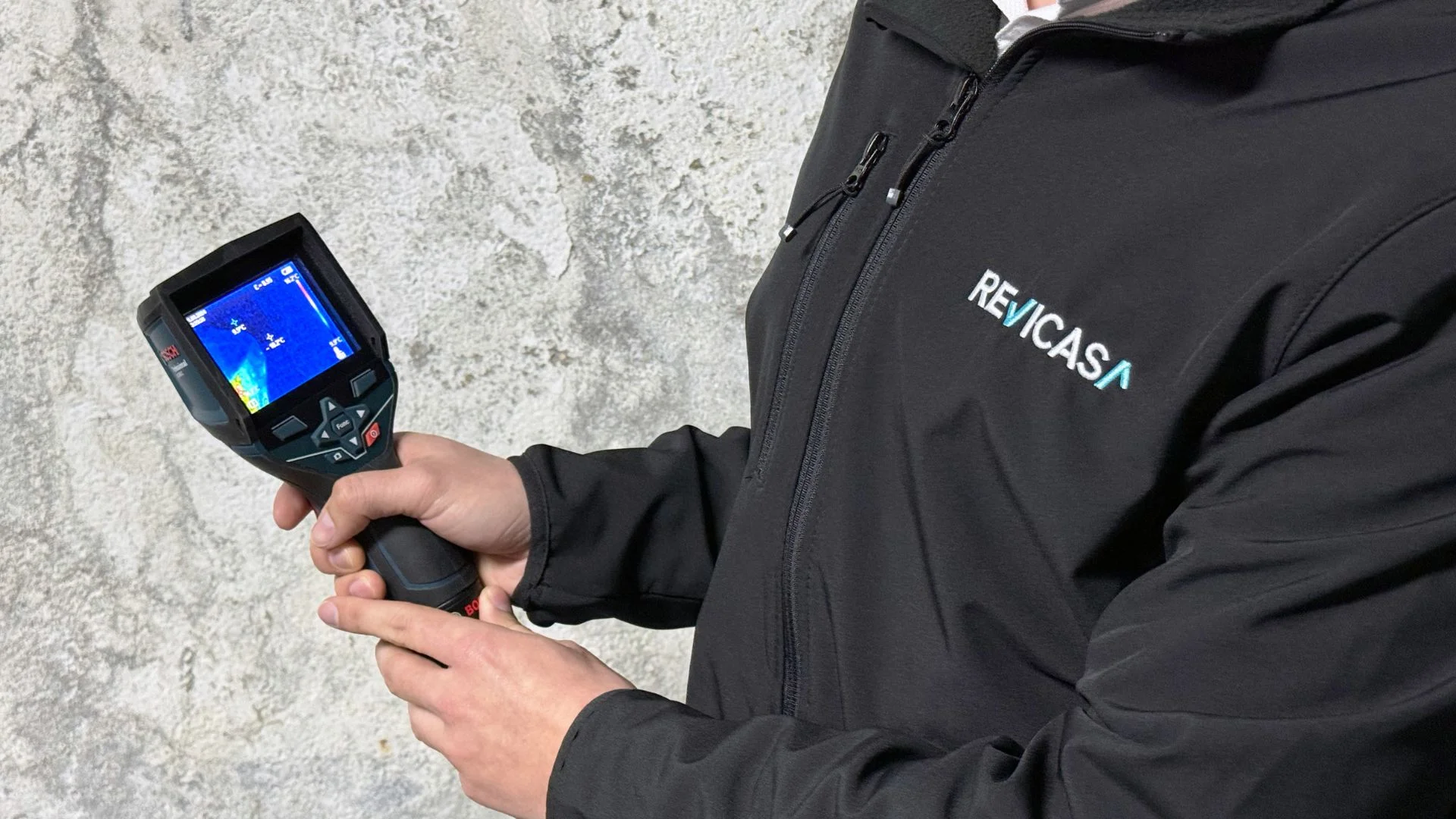
- Thermal diagnosis: using a thermographic camera we detect heat leaks or underfloor heating circuits that aren’t radiating properly.