French buyers remain among the top five foreign nationalities buying homes in Spain, behind the British, the Dutch and the Germans, according to the Land Registry (second quarter of 2026). But the context has changed: prices rose 12.9% year on year in the first quarter (INE), the 12-month Euribor has been above 3% since September, and Spanish banks rarely finance more than 60–70% of the price for a non-resident. Every euro committed weighs more.
What does not exist in Spain (and what you are used to)
In France the seller must provide the technical diagnostics file: energy rating, asbestos, lead, termites, electricity, gas, risks. In Spain only the energy performance certificate is mandatory and, in some regions, the habitability certificate. Nobody checks the state of the electrical installation, the roof or the structure unless the buyer asks for it.
| In France | In Spain | What it means for the buyer |
|---|---|---|
| Mandatory diagnostics provided by the seller | Only the energy certificate is mandatory | Nobody documents the technical condition of the home |
| Hidden-defects warranty: 2 years | Vicios ocultos: 6 months (art. 1490 of the Civil Code) | A defect discovered in month seven is your problem |
| Compromis with conditions precedent | Contrato de arras: 10% paid, penalty if you withdraw | The inspection must happen before the arras, not after |
| Notaire: legal control | Notario: checks ownership and identity | No control of the building's condition |
What to check on the Mediterranean coast
- Rising damp and salt efflorescence in ground floors and basements, common near the sea.
- Flat roofs and terraces: waterproofing, drains, cracked paving. The first cause of leaks on the Costa Brava as much as in Alicante.
- Electrical installation without an earth connection or residual-current device in 1960s–1980s buildings in Valencia, Barcelona or Alicante.
- Aluminium windows without a thermal break: condensation and mould in winter.
- In villas: pool, retaining walls, septic tank and the legality of anything built on rustic land.
- Documents: nota simple from the registry, first-occupation licence, community debt certificate and the building's technical inspection (ITE) if it is over 50 years old.
The right timeline
- Viewing and price agreement with the agency.
- Inspection by an architect (2 to 3 hours on site, more than 250 points, thermal camera). Report in French within 48 hours.
- Negotiation: price, repairs at the seller's expense or walking away. Revicasa clients obtain on average more than 14,500 € in discounts or works.
- Signing of the arras, then of the deed before the notary, knowing what you are buying.
A pre-purchase inspection costs from 299 € for a flat and 369 € for a house. If the architect finds no problems, Revicasa refunds the fee (see conditions).
You do not need to be in Spain on the day of the inspection: the architect coordinates the visit with the agency, and you receive the report with photos, thermal images and severity levels, ready to use in the negotiation.
Sources: Colegio de Registradores (second quarter of 2026); INE house price index (first quarter of 2026); Bank of Spain, 12-month Euribor (September 2026); Spanish Civil Code, articles 1484 to 1490.
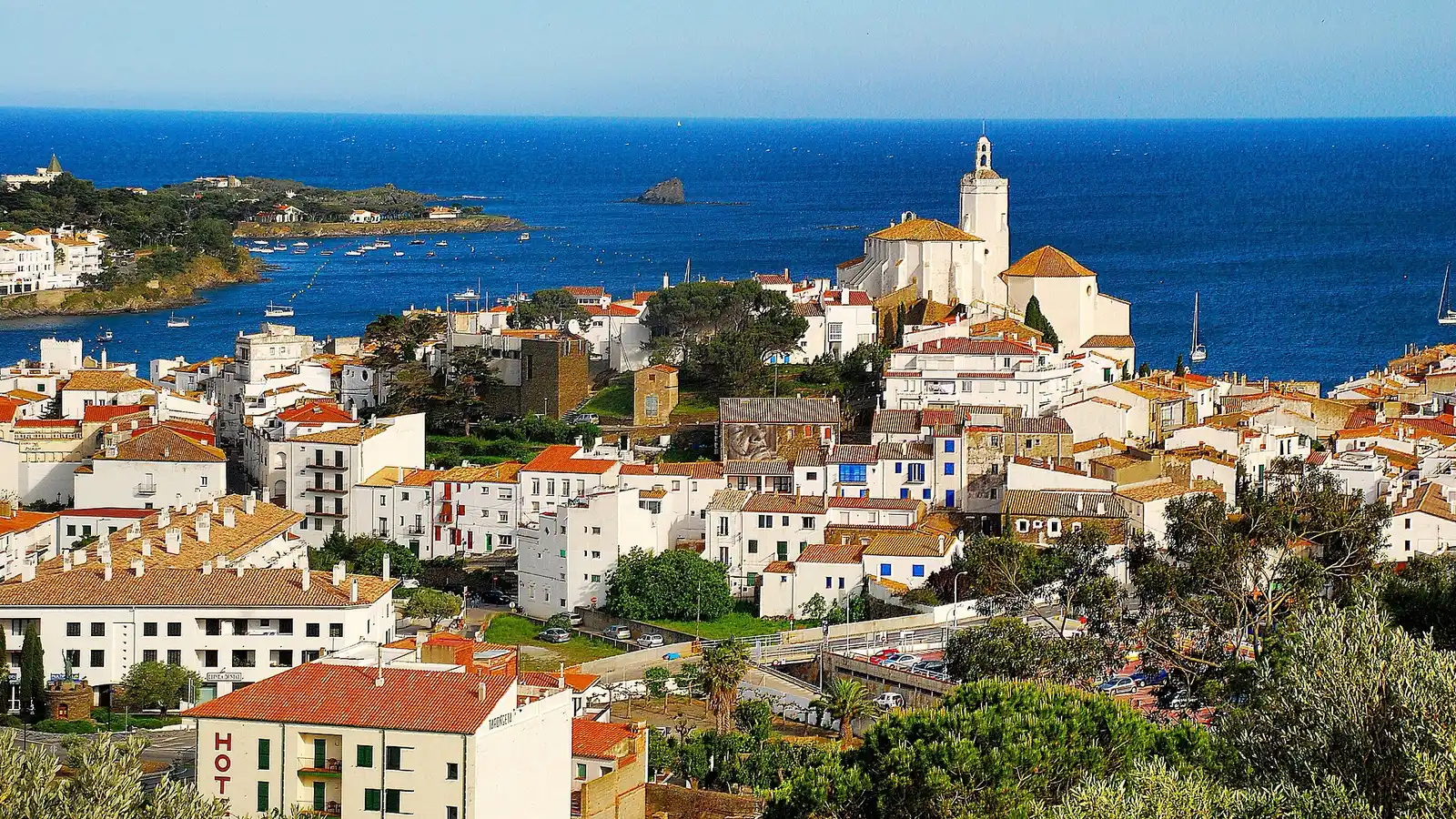
Cover photo: Cadaqués, Costa Brava. ALcp, CC0 (public domain), via Wikimedia Commons.

Written by
Revicasa
Revicasa architects team
Architects who inspect homes every week and explain what you should know before buying, selling or renovating.