When it comes to ensuring that a property is safe and livable, two key terms are frequently mixed up: the home inspection and the Building Technical Inspection (ITE, by its Spanish acronym). Both are essential to keeping properties in good shape, but they serve different purposes and apply in very different contexts.
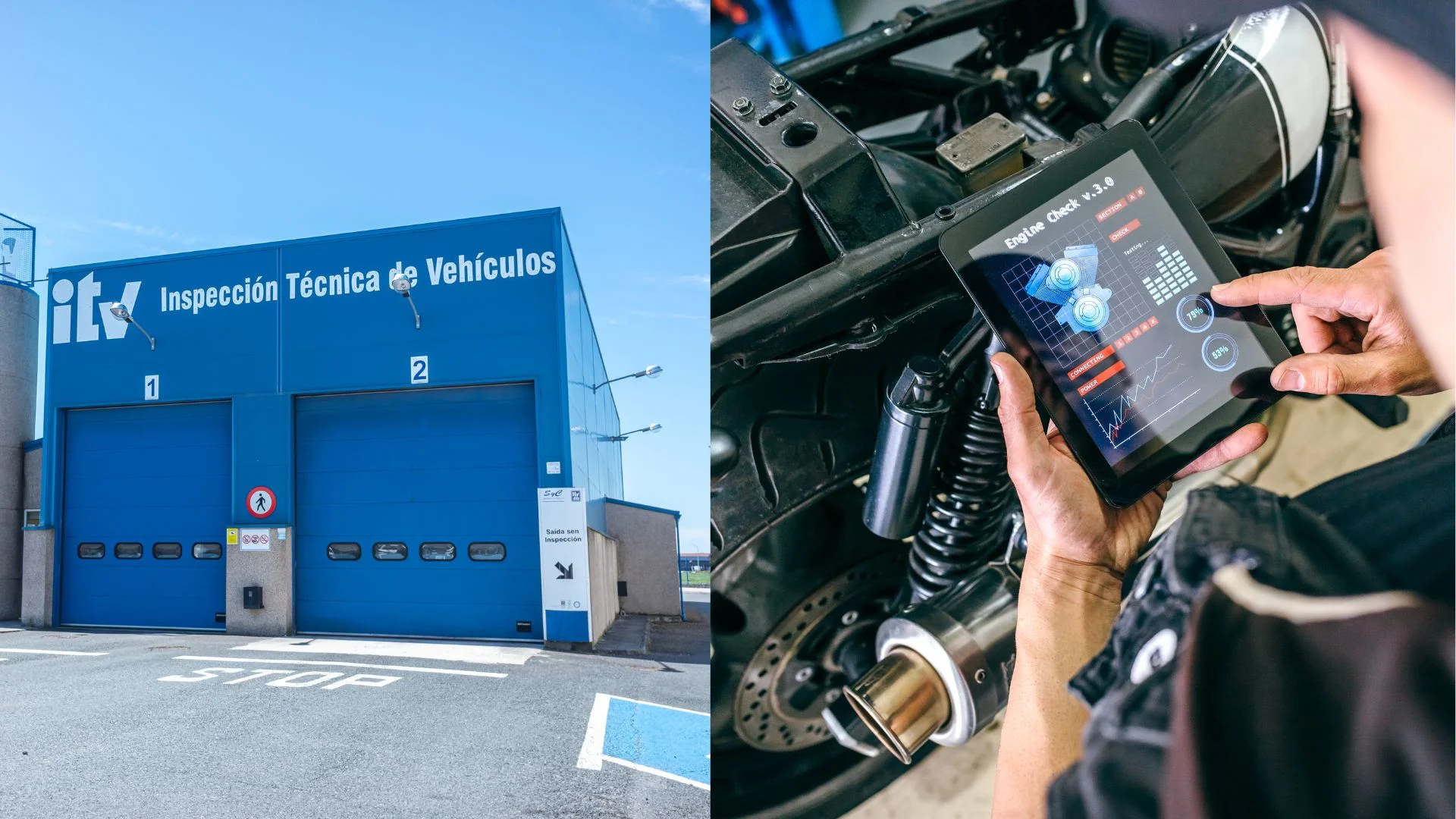
Think of it this way: passing a roadworthiness test with your car is not the same as taking it to a trusted garage for a thorough check-up. The roadworthiness test only covers the bare essentials, without giving you a full picture of the car’s condition or any estimate of repair costs. The same goes for homes: the ITE tells you nothing about a specific apartment, only about the overall condition of the building.
What is a home inspection?
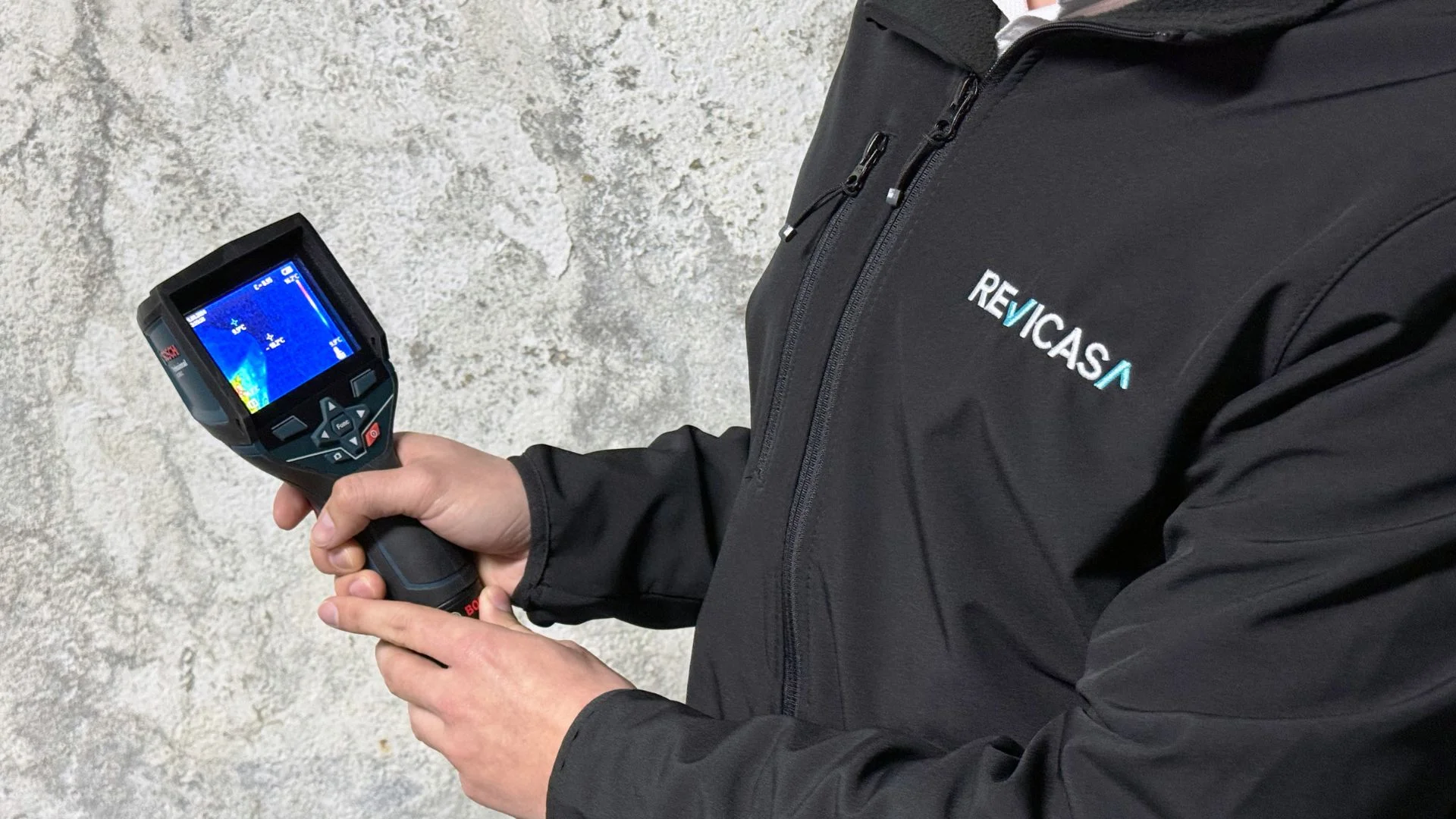
A home inspection is a detailed assessment of the condition of a residential property before it is bought or sold. Its goal is to identify any structural, electrical, plumbing or other issues that could affect the property’s safety and livability.
Benefits of a home inspection
- Early detection of problems: it lets you spot and fix faults before they turn into costly repairs.
- Informed negotiation: it makes it easier to adjust the asking price based on the home’s actual condition.
- Safety and peace of mind: it confirms that the home meets safety and livability standards.
When is it carried out?
- Before buying: to understand the real condition of the property.
- Before selling: to make sure the home is in top shape and avoid surprises during the sale.
- New builds: to verify that the construction complies with regulations and quality standards.
What is a Building Technical Inspection (ITE)?
The Building Technical Inspection (ITE) is a mandatory review in Spain for certain buildings over 30 years old. Its purpose is to ensure that buildings meet the minimum conditions of safety, stability and structural soundness.
Goals of the ITE
- Structural safety: verifying that the building’s structure is in good condition.
- Accessibility and livability: checking that the building is accessible and habitable under current regulations.
- Upkeep and maintenance: assessing the condition of common elements such as façades, roofs and drainage systems.
When is it carried out?
- Mandatory every 10 years for buildings over 30 years old, according to local regulations.
- Required by law: each autonomous community has its own variations in requirements and frequency.
Key differences between a home inspection and the ITE
| Aspect | Home inspection | ITE |
|---|---|---|
| Scope | A specific property | The entire building and its common elements |
| Purpose | Technical condition for the buyer or seller | Legal compliance on safety and maintenance |
| Frequency | As needed, before a transaction | Every 10 years for buildings over 30 years old |
| Mandatory? | Voluntary | Required by law |
Conclusion
Both the home inspection and the ITE are essential for keeping properties safe and livable, even though they serve different functions. The home inspection is a must for any real estate transaction; the ITE is a legal obligation for older buildings.
At Revicasa we offer full home inspection services along with guidance on the ITE, so you can make every decision with all the information at your fingertips.